Choosing between warm white and daylight smart bulbs sounds like a small detail until the room feels too yellow, too blue, or too harsh at the wrong time of day. The good news is that this choice does not need to become a technical project. For most homes, it comes down to matching the light color to the way the room is actually used.
Warm white light usually feels softer and calmer. Daylight bulbs usually feel brighter, cooler, and more alert. Smart bulbs add one more advantage: many let you change the color temperature later, so you can test a room before deciding that one setting is perfect forever.
Why This Matters
Light changes how a room feels before you notice the bulb itself. A bedroom lamp that is too cool can make the evening feel busy. A kitchen bulb that is too warm may make tasks feel dim or yellow. A desk lamp that is too bright at night can be useful for one person and unpleasant for another.
The practical goal is comfort, not a perfect number. A beginner-friendly smart-home setup should help the room support normal habits: waking up, cooking, reading, relaxing, cleaning, or moving safely through a hallway.
Start With Color Temperature, Not Brand Names
Bulb packages often use labels like soft white, warm white, bright white, cool white, and daylight. Those labels are helpful, but the Kelvin number is usually more consistent. ENERGY STAR explains light appearance as a warm-to-cool scale and shows lower Kelvin numbers as warmer and higher Kelvin numbers as cooler. Their light bulb factsheet is a useful reference when comparing bulb labels.
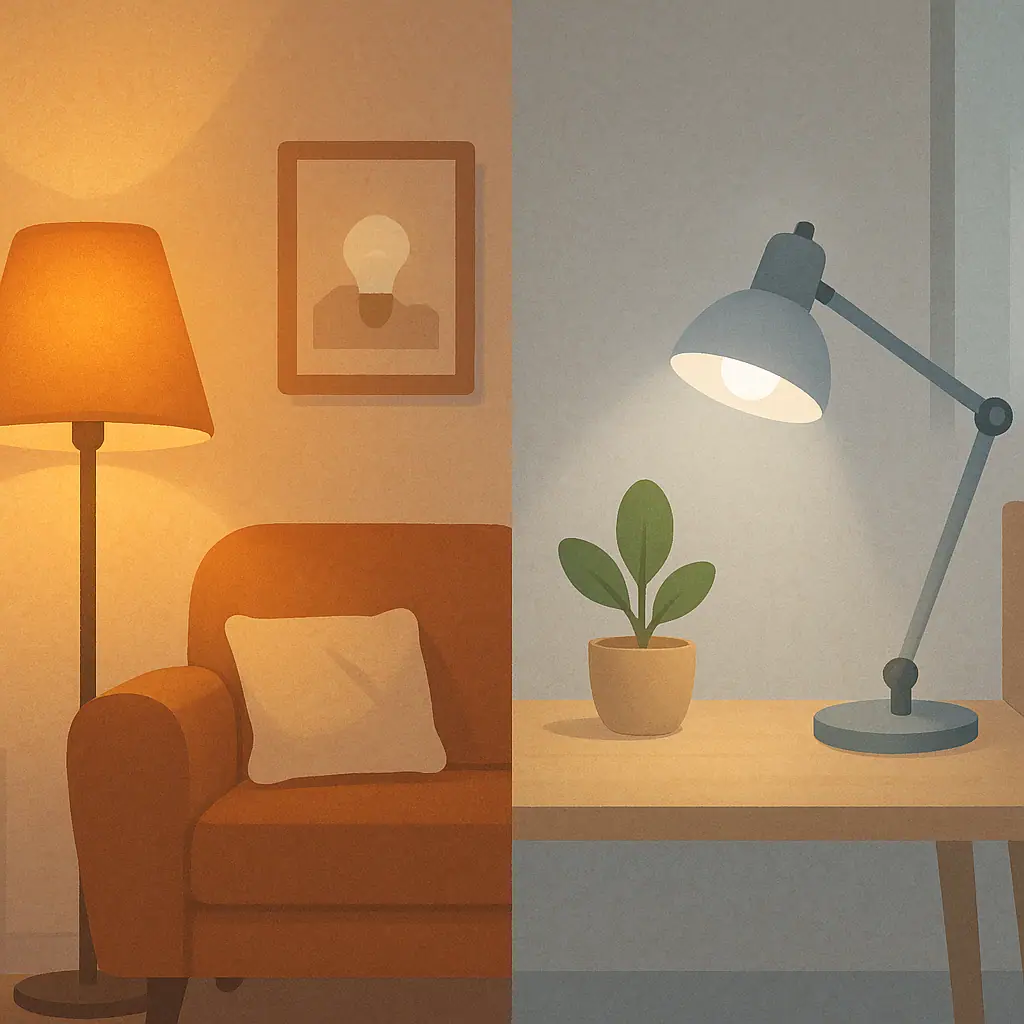
In plain language, warm white is the softer indoor look many people associate with traditional lamps. Daylight is a cooler, bluer look that can make detail work feel clearer. Neither is automatically better. The right choice depends on the room, the time of day, and whether people want the space to feel restful or alert.
What to Check First for Comfortable Smart Bulb Light
Before choosing warm white vs daylight smart bulbs, check three simple things: the room purpose, the fixture limits, and whether the bulb can change white temperature. These checks prevent most beginner frustration.
Room purpose
Think about what people do in the room most often. Bedrooms, living rooms, and evening lamps usually benefit from warmer light. Kitchens, utility rooms, garages, and task areas may benefit from cooler light when people need to see detail clearly.
Fixture and bulb limits
Always match the bulb to the fixture rating, socket type, and location. Smart bulbs are still light bulbs, so the fixture manual matters. Avoid enclosed fixtures unless the bulb is rated for them, and do not exceed wattage or heat limits listed on the fixture.
Adjustable white settings
If a bulb supports tunable white, it may cover both warm and daylight ranges. That makes it easier to create a simple routine: warmer in the evening, cooler during focused tasks, and moderate white for everyday use.
How to Choose Warm White or Daylight Step by Step
- Pick one room first: Do not replace every bulb at once. Choose one lamp or fixture where the current light bothers you.
- Decide the main job: Is this room for relaxing, working, cooking, reading, cleaning, or moving through safely?
- Start with the gentler default: For bedrooms and living areas, try warm white first. For task rooms, try daylight only where clarity matters.
- Test at the real time of use: A bulb that looks fine at noon may feel too sharp at 9 p.m. Judge it when the room is normally used.
- Use dimming if available: Brightness and color temperature work together. A daylight bulb at full brightness can feel harsher than the same bulb dimmed for a task.
- Create one routine: For tunable smart bulbs, set a warm evening scene or a brighter task scene. Keep the first routine simple enough that everyone understands it.
- Review after a week: If people keep overriding the setting, the bulb is probably too cool, too bright, or in the wrong room.
Where Warm White Usually Works Best
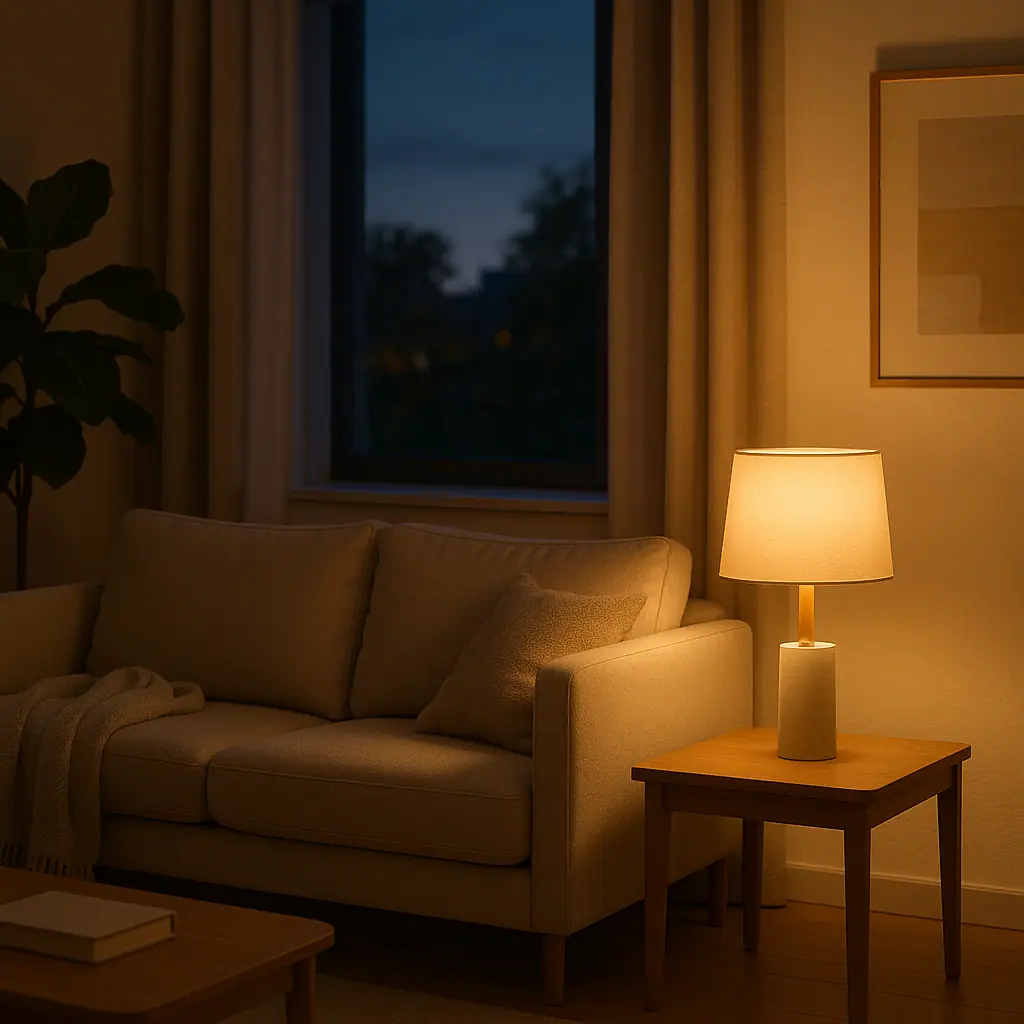
Warm white works well where the goal is comfort. It suits bedside lamps, reading corners, living rooms, dining areas, and evening pathways. It can make a room feel less clinical and more settled, especially after sunset.
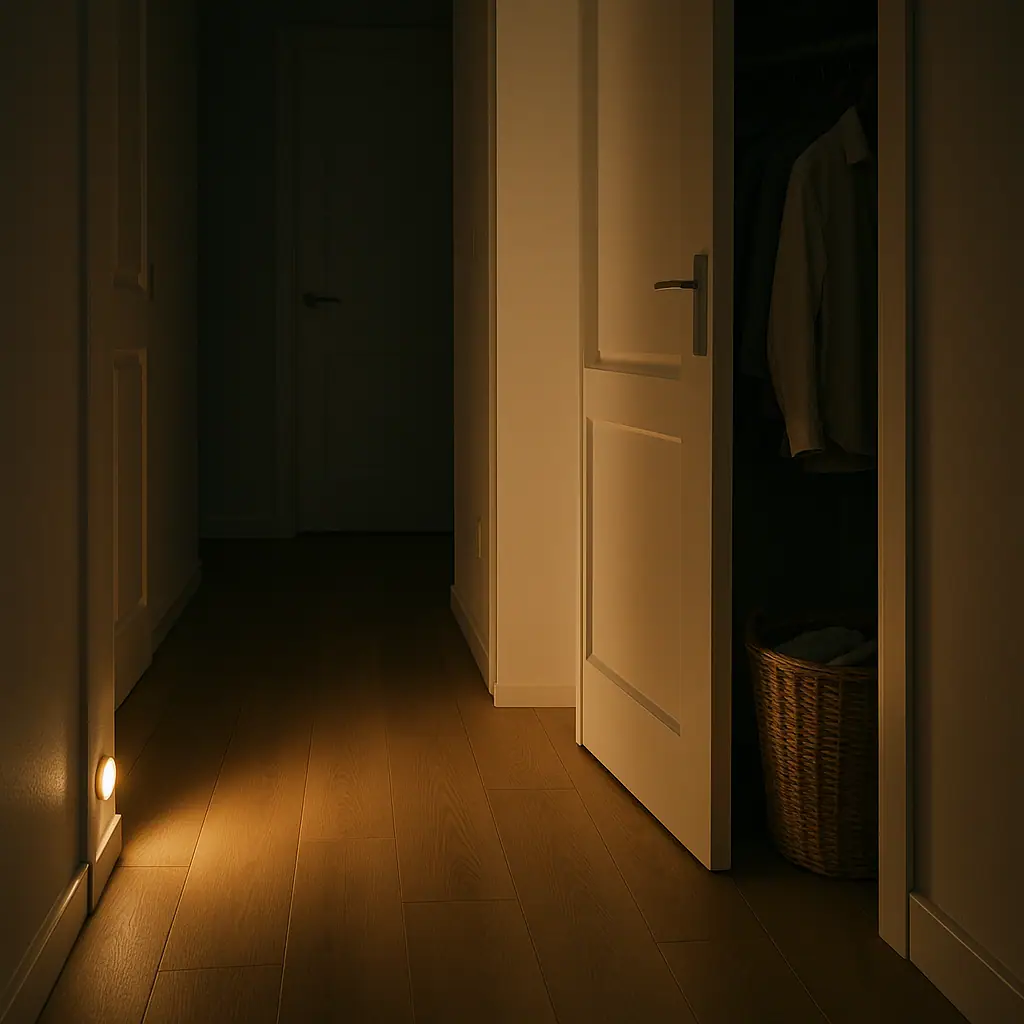
Warm light is also a good first choice for smart bulbs used in routines that help the house wind down. For example, a lamp can shift warmer after dinner, dim before bedtime, or turn on gently in a hallway without making the whole space feel awake.
Where Daylight Usually Works Best
Daylight smart bulbs can help in rooms where people need visual clarity. Kitchens, laundry areas, craft tables, garages, closets, utility spaces, and cleaning zones are common candidates. The cooler appearance can make labels, stains, tools, and small details easier to notice.
The tradeoff is mood. Daylight bulbs can feel too sharp in rooms meant for resting. They may also feel out of place in decorative lamps, especially at night. If a daylight bulb makes people avoid the room or turn the lamp off, it is not helping the routine.
Common Smart Bulb Mistakes to Avoid
The first mistake is treating daylight as automatically brighter. Brightness is measured in lumens, while warm or daylight describes the light appearance. A warm bulb and a daylight bulb can have the same lumen rating but feel very different.
The second mistake is buying a whole pack before testing one room. Light is personal, and wall colors, lampshades, ceiling height, and time of day all change how a bulb feels.
The third mistake is ignoring app simplicity. If every lamp needs a complicated scene, the setup may become annoying. Start with one or two scenes: everyday, task, or evening.
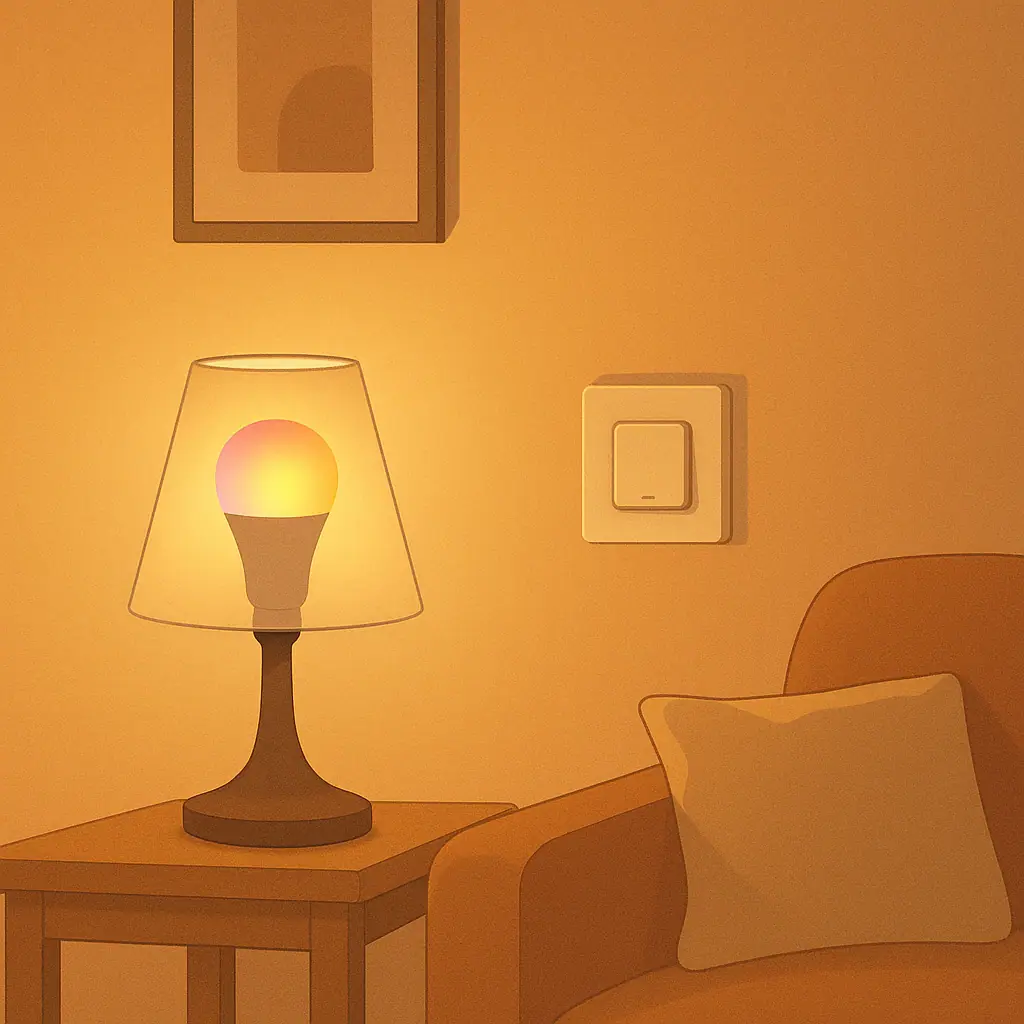
The fourth mistake is using smart bulbs in places where people still expect a normal wall switch. If the switch is turned off, many smart bulbs lose power and cannot follow schedules until the switch is on again.
A Simple Checklist
- Relaxing room: Try warm white first for bedrooms, living rooms, dining areas, and evening lamps.
- Task room: Try daylight or cooler white for laundry, garage, utility, closet, kitchen prep, and detail work.
- Mixed-use room: Use tunable white so the same bulb can shift between warm and cooler settings.
- Safety check: Match the bulb to the socket, fixture rating, dimmer requirements, location, and manual instructions.
- Routine check: Keep the first smart-bulb routine simple enough that guests and family members can still use the room normally.
Pros and Cons of Warm White and Daylight Smart Bulbs
Warm white feels calm
It usually supports relaxing spaces and evening routines without making the room feel harsh.
Daylight helps task focus
Cooler light can make practical areas feel clearer when people are cooking, sorting, cleaning, or reading labels.
Tunable bulbs reduce guessing
One adjustable smart bulb can test several white settings before you commit to a whole-room change.
Daylight can feel harsh at night
A cool bulb in a bedroom or living room may make the space feel busier than intended.
Warm white can feel dim for tasks
Some work areas need clearer light, especially if people are reading labels, cooking, or handling small items.
Smart settings can get overbuilt
Too many scenes, schedules, or app rules can make a simple lighting choice harder than it needs to be.
When to Get Extra Help
Get extra help if a bulb flickers, buzzes, overheats, does not match a dimmer, or seems incompatible with the fixture. Also pause if the fixture is enclosed and the bulb packaging does not clearly say it is suitable for that use.
For hardwired dimmers, switch changes, or fixture replacements, use the product manual and qualified help. A smart bulb should be a reversible comfort upgrade, not a wiring project based on guessing.
Frequently Asked Questions
What should I check first when choosing warm white vs daylight smart bulbs?
Start with the room's main purpose. Relaxing rooms usually do better with warm white, while task areas may benefit from daylight or cooler white.
How often should I review the setting?
Review it after the first week. If people keep changing the brightness or turning the bulb off, adjust the color temperature, brightness, or routine.
What should I do if I am not sure which one I like?
Use one tunable white smart bulb in the room and test warm, neutral, and daylight settings at the time you normally use the space.
Can I undo these changes later?
Yes. Most smart-bulb color and schedule settings can be adjusted in the app. Keep the setup simple so changes are easy to reverse.
Final Thoughts
Warm white vs daylight smart bulbs is not a contest. Warm white usually supports calm rooms, while daylight usually supports short, focused tasks. The most comfortable homes often use both, but not everywhere at once.
Start with one room, one bulb, and one routine. If the light makes the room easier to use without drawing attention to itself, you chose well. If it feels too sharp, too dim, or too complicated, adjust the color and brightness before buying more bulbs.