Smart bulbs and smart switches both make lights easier to control, but they solve different problems. A smart bulb changes the bulb itself. A smart switch changes the wall control that sends power to the light. That small difference affects cost, setup, renter friendliness, switch habits, and how calm the system feels after the first week.
If you are choosing between the two, do not start with the most advanced feature list. Start with the room, the people who use that room, and whether you are comfortable with any wiring work. For many beginners, the best choice is the one that fixes one everyday annoyance without creating a new routine everyone has to remember.
Why This Matters
Lighting is one of the first smart-home categories people try because the benefit is easy to feel. A bedside lamp that dims at night, a hallway light that turns off automatically, or a porch light that follows a schedule can make the home feel smoother. The confusing part is that smart bulbs and smart switches can look like two paths to the same result.
They are not always interchangeable. A smart bulb usually needs the wall switch to stay on so the bulb keeps power. A smart switch usually keeps the wall control familiar, but it may require electrical compatibility checks and proper installation. That is why the calmer beginner choice depends less on the product box and more on the room.
Start With Smart Bulbs, Lighting, and Motion
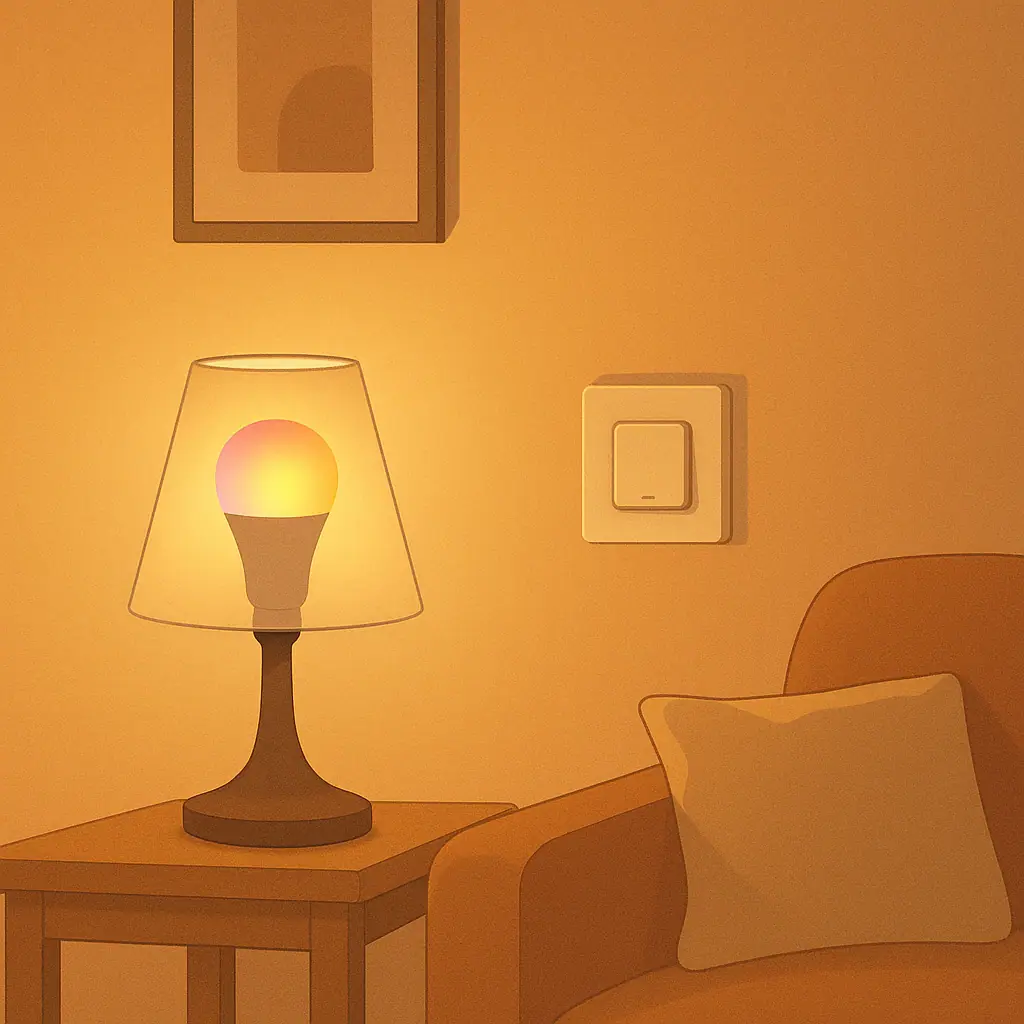
A smart bulb is the simpler first test for many households because it can often go into a lamp without tools. You screw it in, connect it to an app, give it a clear name, and create one small routine. It is especially useful for table lamps, floor lamps, bedrooms, reading corners, and renters who cannot change wiring.
Smart bulbs can also help you learn what smart lighting feels like before committing to a larger setup. ENERGY STAR notes that LED lighting products are designed to use energy efficiently and that certified products are tested for performance, including heat management. If energy use is part of your decision, their guide to LED lighting basics is a useful external reference before comparing bulb claims.
Smart bulbs are not perfect. If someone turns the wall switch off, the bulb loses power and may not respond to app controls or schedules until the switch is turned back on. In shared rooms, that habit can become annoying quickly.
What to Check First for Smart Bulbs vs Smart Switches
Before buying anything, ask four plain questions. First, is this a lamp, a single bulb fixture, or a multi-bulb ceiling fixture? Second, will people still expect the wall switch to work normally? Third, are you renting or avoiding wiring changes? Fourth, is there any existing dimmer, three-way switch, unusual fixture, or older wiring that needs extra care?
Smart bulbs are usually best when you control a small number of bulbs and can keep the power on. They are also good when you want color, tunable white, or a portable setup that can move later. Smart switches are usually better when the room has several bulbs on one switch, when family members prefer the wall control, or when you want the fixture to behave smartly without replacing every bulb.
For switch projects, do not guess about wiring. The Electrical Safety Foundation International advises using qualified help for electrical work, and its home electrical safety workbook is a good reminder that household electrical projects should be handled conservatively. When a switch box, neutral wire, dimmer, or multi-location circuit is unclear, review trusted safety guidance such as the ESFI home electrical safety workbook and contact a qualified electrician.
How to Choose Step by Step
- Pick one room: Choose a place where lighting already bothers you, not a room that only sounds interesting on paper.
- Decide what should stay familiar: If everyone uses the wall switch all day, a smart switch may feel more natural. If it is a personal lamp, a smart bulb may be enough.
- Count the bulbs: One or two lamps are easy smart bulb candidates. A ceiling fixture with several bulbs may be cheaper and neater with one smart switch.
- Check fixture and wiring limits: For bulbs, check socket, shape, fixture type, and dimmer compatibility. For switches, check whether installation requirements match your home and skill level.
- Choose one routine: Try a bedtime dim, morning brighten, automatic shutoff, or simple schedule before building more automations.
- Test for a week: Notice whether the setup makes the room calmer or creates arguments about switches, apps, and offline devices.
Common Smart Lighting Mistakes to Avoid
The first mistake is buying smart bulbs for every ceiling fixture before testing switch habits. If people keep turning off the wall switch, the setup may feel broken even when the bulbs are working exactly as designed.
The second mistake is assuming every smart switch works in every switch box. Some switches require a neutral wire, have load limits, or need special handling for three-way circuits. Product pages and installation guides matter here, and guessing is not a good plan.
The third mistake is mixing too many brands too early. One bulb brand, one switch brand, and one smart-home platform can already be enough for a beginner. A calm setup is easier to maintain than a drawer full of apps and reset instructions.
A Simple Checklist
- Choose a smart bulb if: You want a quick lamp upgrade, color or tunable white light, renter-friendly setup, or no wiring work.
- Choose a smart switch if: You want the wall control to stay normal, one switch controls several bulbs, or the room needs a more permanent lighting routine.
- Pause before buying if: The light is on a dimmer, the fixture is enclosed, the wiring is old, or the switch controls lights from more than one location.
- Keep it simple: One room, one routine, one week of testing is enough for a first decision.
Pros and Cons of Smart Bulbs vs Smart Switches
Smart bulbs are easy to try
They can be a gentle first step for lamps and renter-friendly rooms because they usually do not require wiring changes.
Smart switches keep habits familiar
People can still use the wall control, which often works better in shared spaces and ceiling-light rooms.
Both can support calmer routines
Schedules, dimming, and automatic shutoffs can reduce small daily annoyances when the setup fits the room.
Smart bulbs depend on power
If the wall switch is off, the bulb may stop responding to app controls and automations.
Smart switches need careful installation
Wiring compatibility, load limits, and electrical safety should be checked before replacing a switch.
Overbuying makes lighting less calm
Too many devices, apps, and routines can make a beginner setup harder to manage than the original light switch.
When to Get Extra Help
Get extra help when the project involves replacing a wall switch, working around older wiring, dealing with a dimmer, or changing a circuit you do not fully understand. A smart-home setup should never depend on guesswork around electricity.
You should also slow down when the room has unusual behavior, such as lights controlled from multiple switches, flickering after a bulb change, buzzing from a dimmer, or a fixture that gets unusually warm. Those details deserve verification before adding smart devices.
Frequently Asked Questions
Which is easier for a complete beginner?
A smart bulb is usually easier for a first test because it can often be installed in a lamp without tools. Start with one bulb and one simple routine.
Are smart switches better for ceiling lights?
Often, yes. If one switch controls several bulbs and people expect the wall switch to work normally, a smart switch can be the cleaner choice when installation is appropriate.
Can I undo these changes later?
A smart bulb is easy to remove. A smart switch can usually be changed later too, but wiring work should be handled carefully and verified against the product instructions.
What should I do if I am not sure?
Choose the lower-risk test first. For many people, that means trying one smart bulb in a lamp and asking a qualified electrician before any switch replacement.
Final Thoughts
The simple beginner difference is this: smart bulbs make the bulb smarter, while smart switches make the wall control smarter. A bulb is usually the calmer first experiment for lamps, renters, and personal routines. A switch can be better for shared rooms, ceiling fixtures, and households that want the wall control to stay natural.
Choose the option that solves one real lighting annoyance with the least confusion. If that first routine feels easy after a week, you can expand slowly and keep the smart home calm instead of complicated.