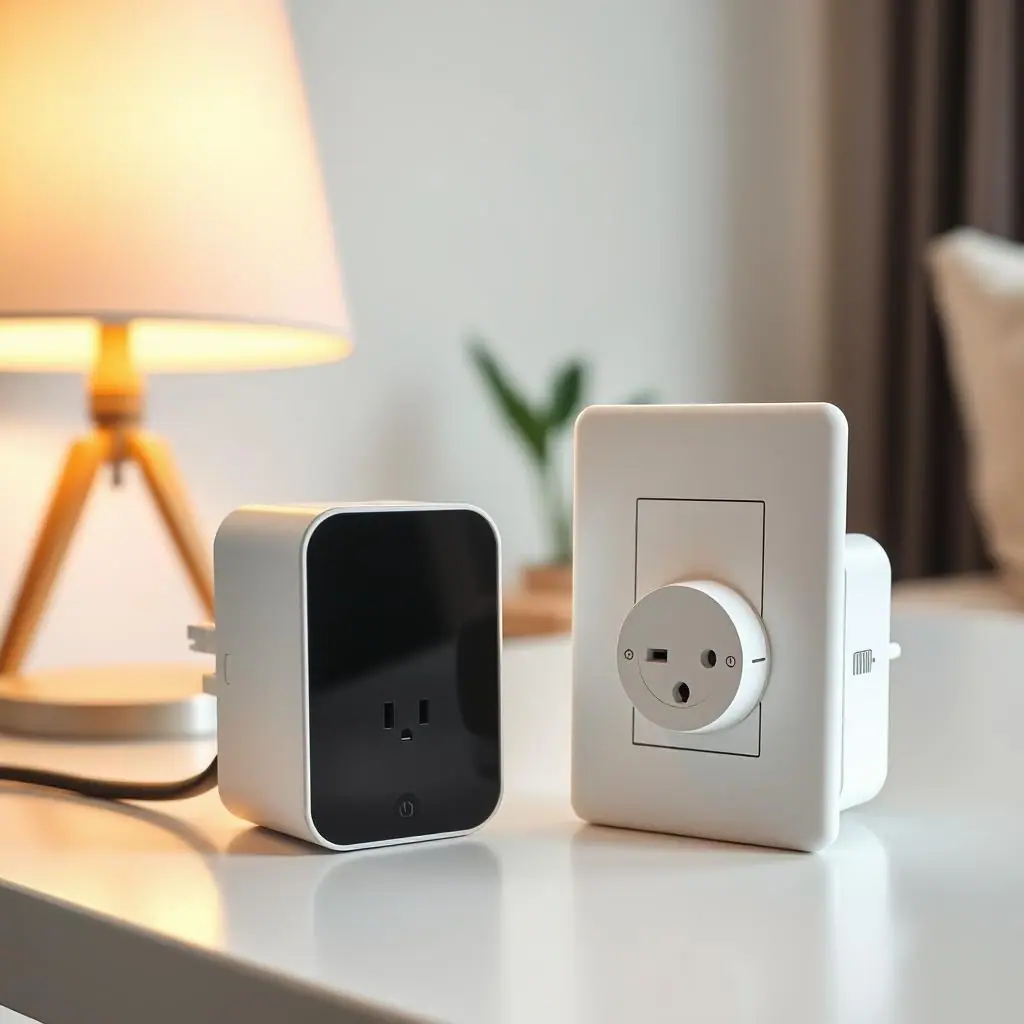
A smart plug and a timer outlet can both turn a lamp, coffee corner, or small routine on and off without daily effort. The difference is how much control you want, how much setup you are willing to handle, and how important app features are for the routine.
For many homes, the calmer answer is not the most advanced device. A basic timer outlet can be perfect when you want the same schedule every day. A smart plug makes more sense when you want phone control, changing schedules, voice assistant routines, or energy monitoring. The right choice is the one that makes one simple habit easier without adding confusion.
This guide compares smart plug vs timer outlet decisions in plain language, with safety checks before convenience. If a device creates heat, pulls heavy power, or has manufacturer warnings, neither option should be treated as a shortcut around the manual.
Why This Matters
Outlet routines are easy to underestimate because both devices look small. But they sit between your wall outlet and the thing using power, so the setup deserves a quick check before you automate it.
The Electrical Safety Foundation International warns against overloaded cords and outlet setups, and its extension cord guidance is a useful reminder to match the device, cord, and outlet to the intended use. Review ESFI's extension cord safety tips when a routine involves extra cords, temporary power, or any setup that feels more complex than one device plugged into one outlet.
Start With What Each Device Actually Does
A timer outlet is a simple scheduler. Depending on the model, you set tabs, pins, buttons, or a digital program, and the outlet switches on and off at the chosen times. It usually works without Wi-Fi, apps, accounts, or voice assistants.
A smart plug is a connected switch. It can usually be controlled from an app, scheduled by day, connected to voice assistants, grouped with other devices, or used in routines. Some smart plugs also track energy use, though that feature varies by model.
Where a timer outlet feels better
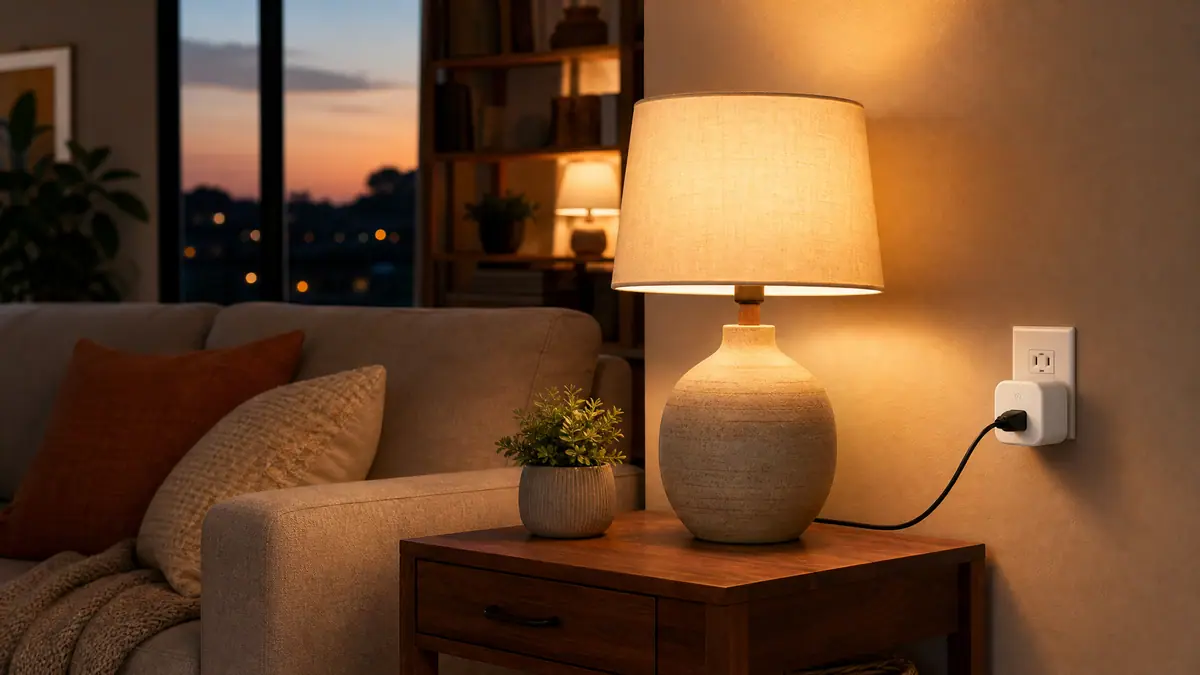
A timer outlet is often better for repeatable, boring routines: a living room lamp at dusk, a small decorative light during the same evening hours, or a fan that you want to stop after a set period. It is less flexible, but that can be a strength when you do not want another app.
Where a smart plug feels better
A smart plug is usually better when the routine changes. If weekday and weekend schedules differ, if you want to turn something off from bed, or if you want one evening scene to control several lamps, the connected features can be worth the extra setup.
Smart Plug vs Timer Outlet: The Main Differences
The easiest way to compare them is by control, reliability, setup, and flexibility. Neither device is automatically safer or better in every home. The device being controlled matters just as much as the controller.
- Setup: timer outlets are usually faster if you only need one schedule. Smart plugs take longer because you may need Wi-Fi, an app, updates, account setup, and device naming.
- Control: timer outlets run their programmed schedule. Smart plugs can usually be changed from a phone and may work with voice or scenes.
- Flexibility: timer outlets are steady. Smart plugs are better for changing schedules, vacation mode, sunrise/sunset routines, and grouped lighting.
- Dependence: many timer outlets keep working without internet. Smart plugs may still follow local schedules after Wi-Fi issues, but app control and automations can vary by model.
- Feedback: a timer outlet may not tell you whether the device is on. A smart plug often shows status in the app and may include energy data.
How to Choose Step by Step
Use a short decision path before buying or setting up either option. It keeps the choice practical and prevents overbuilding a routine that only needed one simple switch.
- Name the routine: write the exact device and action, such as bedroom lamp on at 7 p.m., not just smart lighting.
- Check the device type: start with low-risk devices such as lamps or small decorative lights. Avoid heat-producing appliances, large appliances, medical equipment, and anything the manual says to plug directly into a wall outlet.
- Decide if the schedule changes: choose a timer outlet for the same daily pattern, and consider a smart plug when the timing changes by day or season.
- Decide if remote control matters: if you only need automatic on and off, a timer may be calmer. If you want app control, a smart plug fits better.
- Check the outlet location: if the outlet is behind furniture, loose, warm, damaged, or hard to reach, solve that before adding automation.
- Start with one routine: test one device for a week before copying the setup to several rooms.
A simple example
For one table lamp that should turn on every evening and off at bedtime, a timer outlet is usually enough. For three lamps that should follow different weekday, weekend, and travel patterns, smart plugs may feel cleaner because the routine can be edited from one app.
Common Mistakes to Avoid
The biggest mistake is buying features before defining the routine. A smart plug with voice control, energy monitoring, and scenes is not useful if the household only wants one lamp to follow one schedule.
- Automating the wrong device: do not use either option to control heaters, cooking appliances, large appliances, or essential equipment unless the manufacturer clearly supports that exact use.
- Ignoring manual limits: check the smart plug or timer outlet rating and the device manual before setting a schedule.
- Creating app clutter: if every small routine needs a different app, the smart-home setup stops feeling calm.
- Forgetting household behavior: if someone may unplug the lamp or change the switch position, the routine may need a simpler explanation or a better location.
- Stacking adapters: avoid smart plug plus timer plus extension cord plus power strip. One controller for one appropriate device is the safer beginner pattern.
Pros and Cons
Flexible schedules
Smart plugs are easier to adjust when routines change by day, season, or room.
Remote control
App control can help you turn off a lamp or routine without walking back through the house.
Optional energy insight
Some models show energy use, which can help with awareness when the feature is available.
Less flexible
A timer outlet is not as convenient when the schedule changes often or needs phone control.
Fewer connected features
Most timer outlets do not offer app status, voice control, scenes, or detailed energy reports.
Can be easier to trust
The tradeoff is simplicity: fewer apps, fewer accounts, and less Wi-Fi dependence for fixed routines.
A Simple Checklist
Use this quick checklist before you choose. If more than one item is unclear, pause and read the manuals instead of guessing.
- Use a timer outlet if: the schedule is fixed, the device is low-risk, and nobody needs app control.
- Use a smart plug if: the schedule changes, remote control matters, or you want the routine to work with other smart-home devices.
- Use neither if: the device creates heat, draws heavy power, supports health or safety, or says direct wall outlet only.
- Review monthly: confirm the same device is still plugged in, the outlet feels normal, and the schedule still makes sense.
Frequently Asked Questions
Is a smart plug better than a timer outlet?
It is better when you need flexible schedules, app control, or routines with other devices. For one fixed daily schedule, a timer outlet may be simpler.
Which one should beginners start with?
Start with the simplest device that solves one safe routine. A lamp on a fixed schedule can start with a timer outlet; changing routines may justify a smart plug.
Can I use a smart plug and a timer outlet together?
That usually adds confusion and another connection point. For beginner routines, choose one controller for one appropriate device.
Can I undo the setup later?
Yes. You can usually disable schedules, remove the smart plug or timer, and plug the device directly into the wall again. Verify the exact app steps for your model.
Final Thoughts
The smart plug vs timer outlet choice should make your home calmer, not more complicated. Pick a timer outlet when the routine is fixed and simple. Pick a smart plug when flexibility, remote control, or grouped lighting will actually help.
For either option, keep the safety rule steady: read the ratings, avoid risky appliances, and start with one low-risk routine before adding more automation.