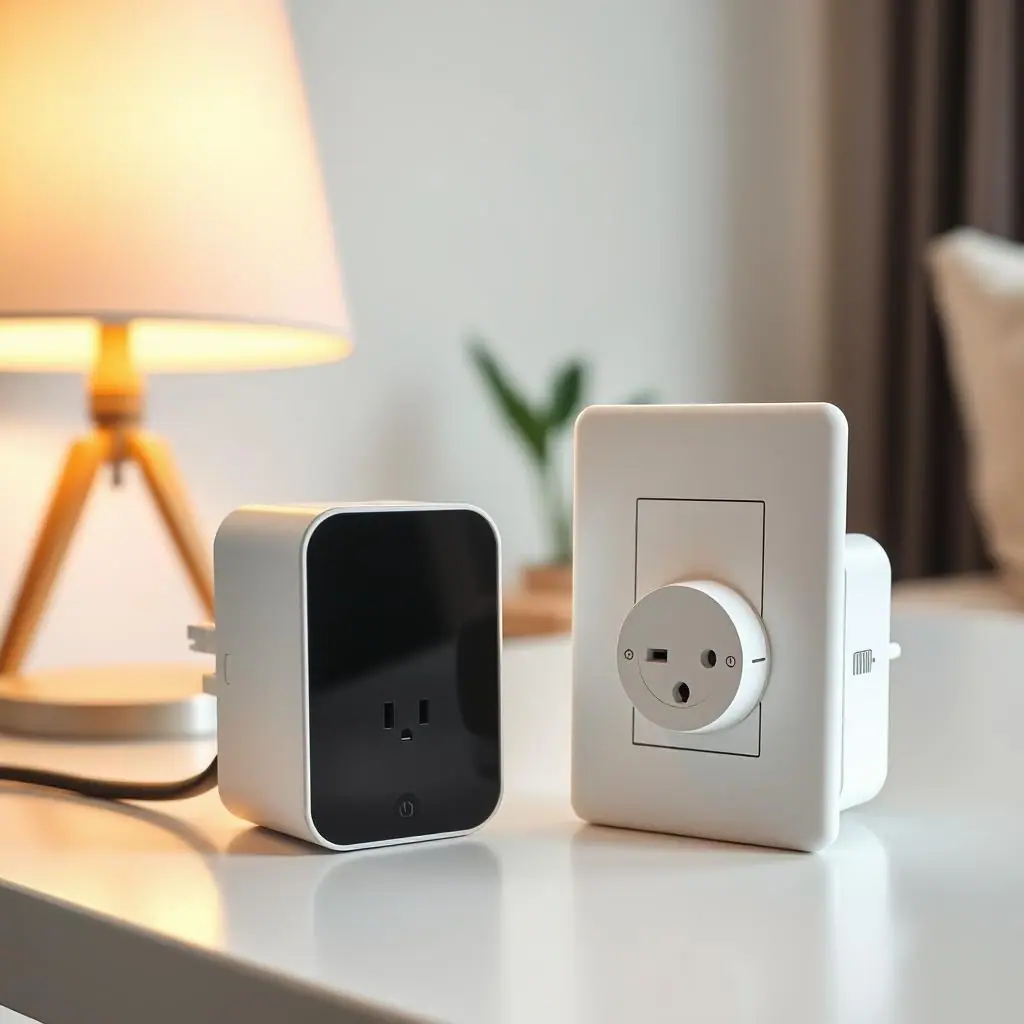
A smart plug is useful when it removes a repeated decision. It is less useful when it becomes another app to check. Start with low-risk routines that are easy to understand and safe for the device you are controlling.
The useful starting point is a compact plan: one purpose, one small setup, one weekly reset. That keeps the article practical for a reader who wants help today rather than a full renovation plan.
This approach also keeps the project honest. A reader can finish one useful change, notice what actually improved, and avoid turning a simple home decision into a stack of unused products.
Why this setup works
A beginner guide works better when it names the tradeoff early. The right first setup is usually smaller than the reader imagined, but it is also easier to finish, easier to clean up, and easier to improve later.
For broader home energy planning, compare plug routines with ENERGY STAR's smart home energy tips, especially when you are deciding whether lighting, thermostats, or plug-load controls deserve attention first.
Pick simple loads first
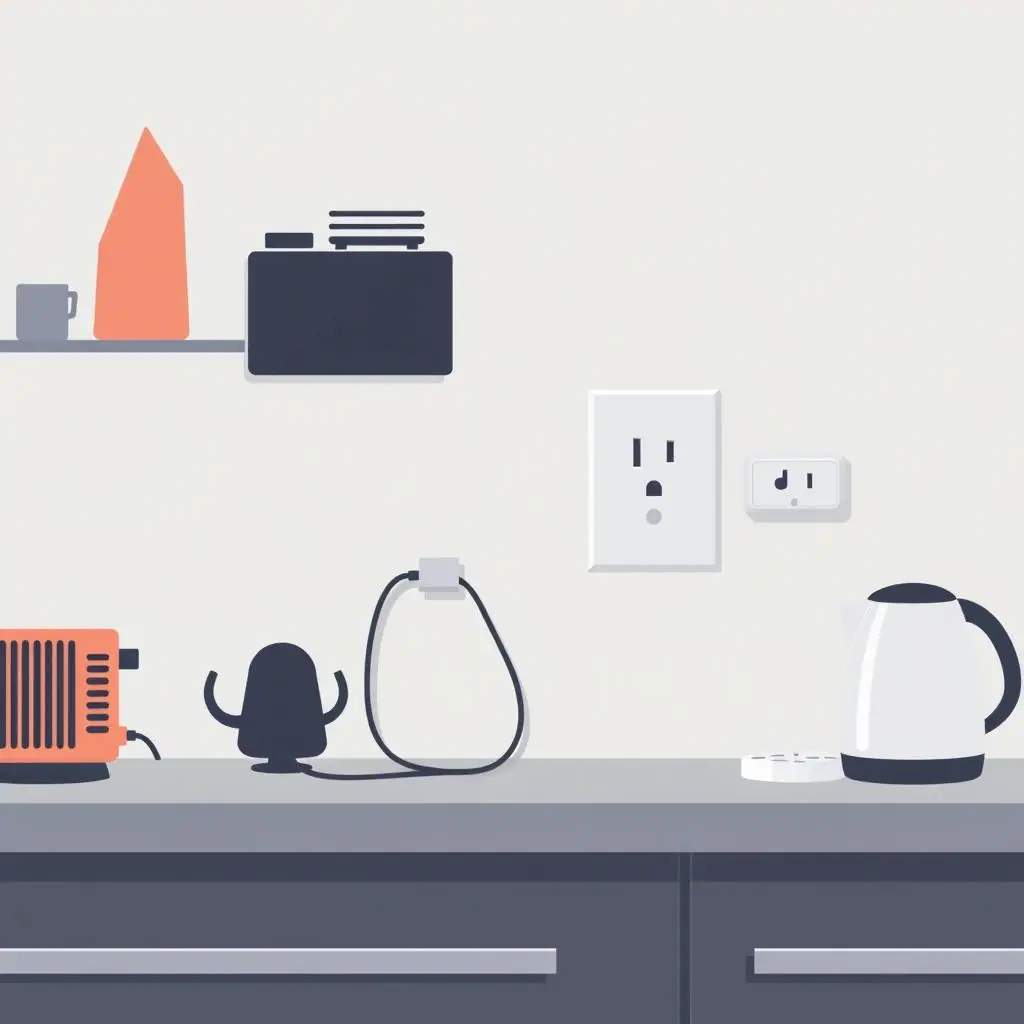
Lamps, holiday lights, and small low-power devices are better beginner choices than heaters, large appliances, medical devices, or anything with a safety-critical job. Read the smart plug's rating before using it.
Use schedules for obvious moments
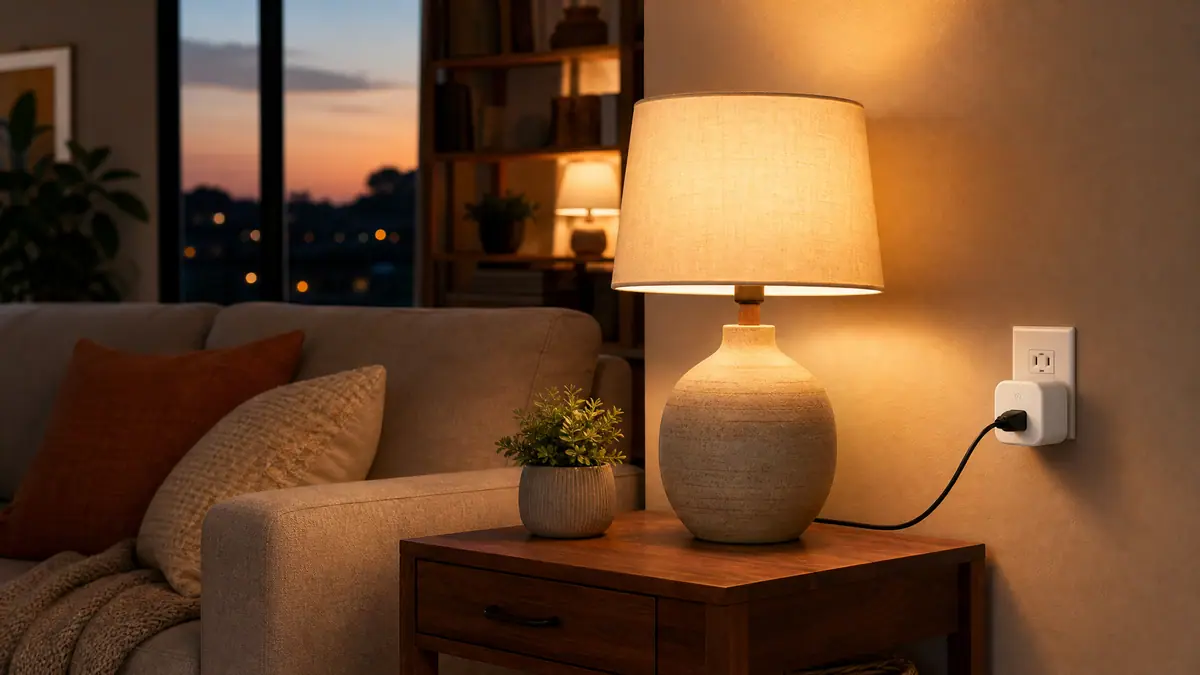
The best first schedule is tied to a real habit: lights on at sunset, a desk lamp off at bedtime, or a fan reminder before work. Avoid complicated chains until the basics are reliable.
Name devices for humans
A calm smart home uses names people understand. Choose names like reading lamp or bedroom fan instead of model numbers, abbreviations, or rooms with duplicate devices.
Practical setup checklist
Before you buy anything
Pause long enough to check the boring details: the surface, the size, the weight, the light, the access path, and the cleanup routine. Most beginner frustration comes from skipping one of those details and then trying to force the setup to work anyway.
- Define the job: write down what this area or product is supposed to make easier.
- Measure before buying: check width, depth, height, clearance, weight, cord reach, light, or drainage before choosing gear.
- Read the instructions: product limits and exclusions matter more than a clean inspiration photo.
- Leave margin: a setup packed to the edge is harder to maintain than one with a little empty space.
- Reset weekly: a short recurring reset prevents the system from turning into a storage pile.
After the first week
Use the first week as a field test. If one step keeps getting skipped, simplify that step. If one item never returns to its assigned place, move the home closer to where the item is actually used. A good beginner system improves through small edits instead of one dramatic overhaul.
Pros and Cons
Quick beginner win
A single plug can make one repeated routine easier.
Easy to reverse
Most routines can be disabled without changing wiring.
Good for awareness
Some plugs help readers notice which devices run longer than expected.
Not a wiring substitute
Smart plugs do not replace electrical work or overloaded outlets.
Savings are not automatic
The plug only helps if the routine reduces unnecessary use.
Frequently Asked Questions
Can I use a smart plug with a space heater?
Avoid high-heat and high-load devices unless the manufacturer explicitly allows that use and the rating is appropriate.
Do smart plugs save money by themselves?
No. They help when schedules or habits reduce unnecessary runtime.
What should I automate first?
Start with one lamp or low-risk device tied to a daily moment you already understand.
Final Thoughts
Smart Plug Uses for Beginners: 12 Simple Routines That Actually Help should feel calm, repeatable, and honest about limits. Start with one useful change, keep the setup easy to reset, and let the next improvement come from what you learn in daily use.
The quiet advantage of this method is that it gives readers a practical stopping point. Once the first setup works for a normal week, they can repeat the same thinking in another area instead of starting from scratch.