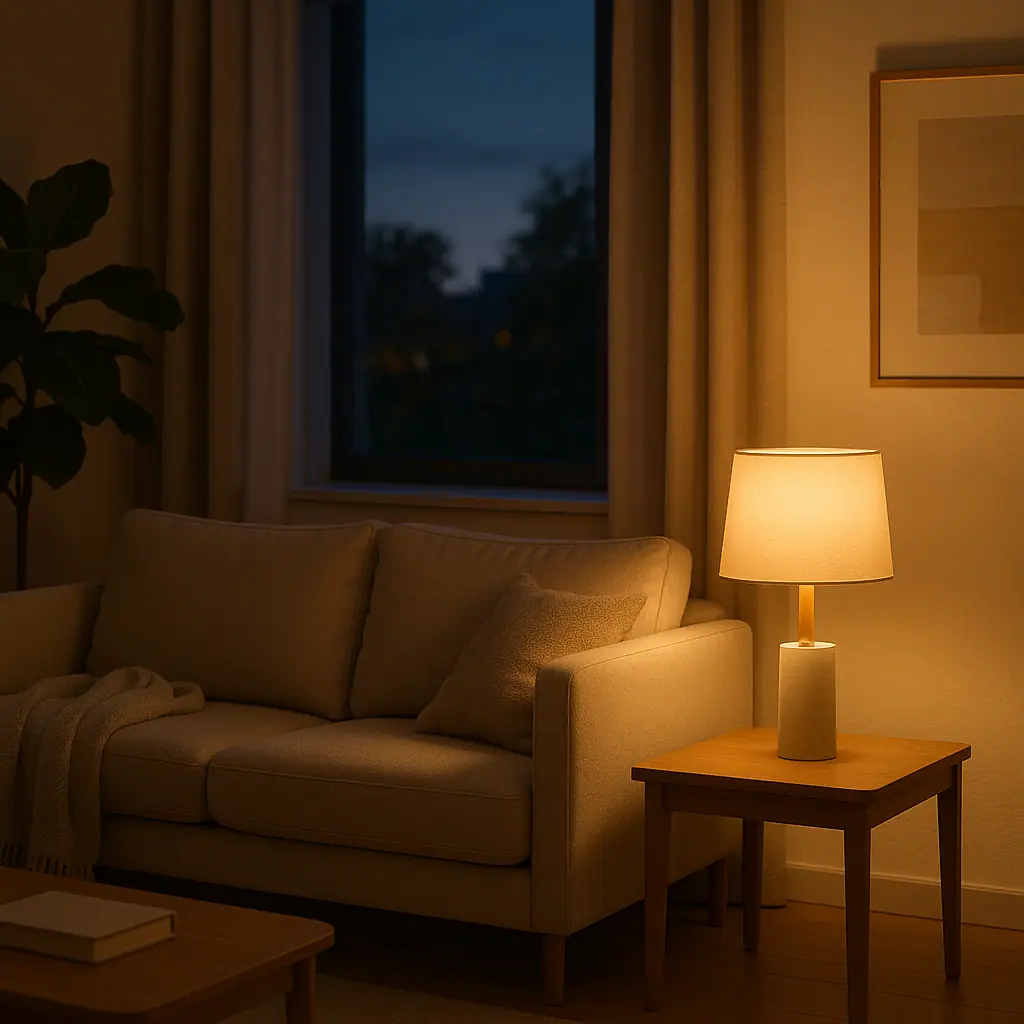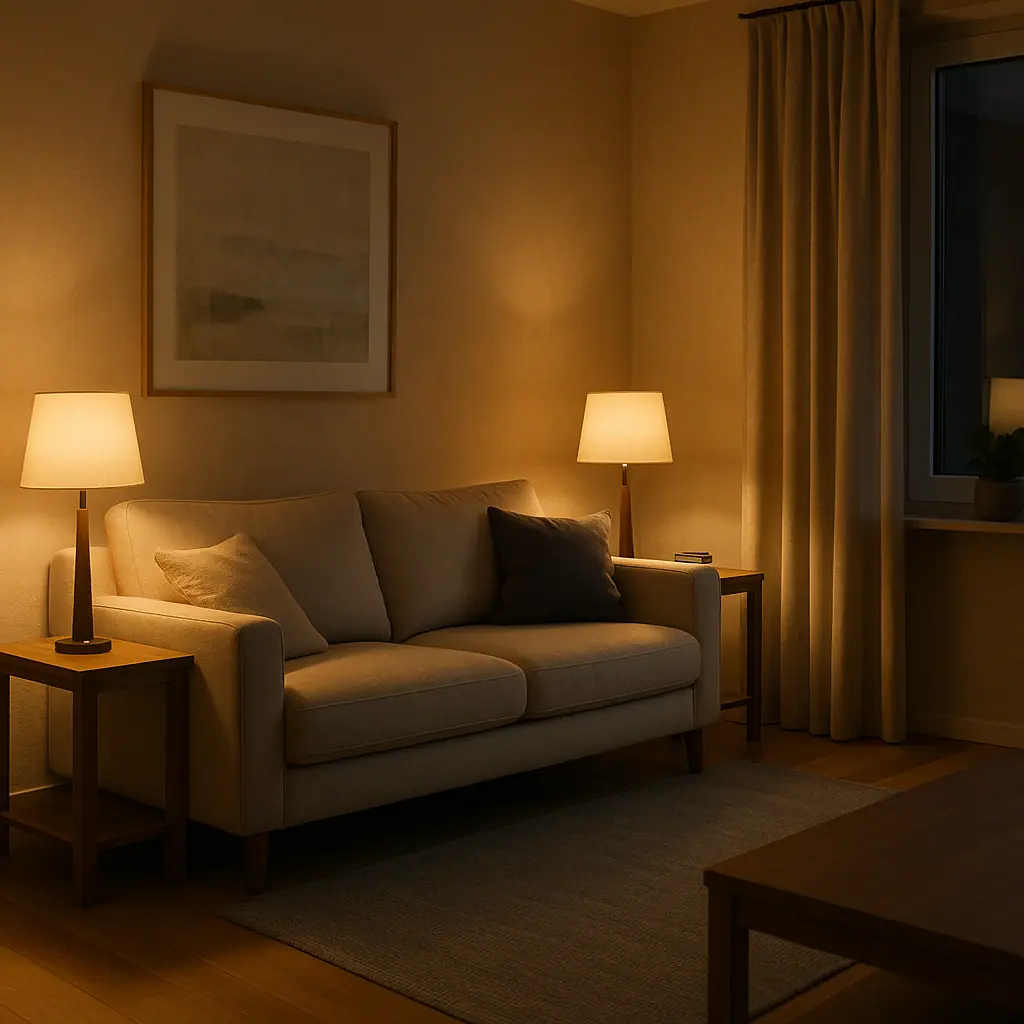
An easy evening lighting routine with smart bulbs should make the house feel calmer, not turn every lamp into another thing to manage. The best routine is usually small: one or two lights, a warmer color, a lower brightness, and a schedule that matches what already happens in your home.
Smart bulbs are useful because they can change brightness and, on many models, white temperature. That means the same lamp can feel practical during dinner cleanup and softer later in the evening. The trick is to build a routine that feels natural enough that people stop noticing the technology.
Why This Matters
Evening light affects how a room feels at the exact moment many households are trying to slow down. A bright overhead light may be helpful while sorting laundry, but it can feel too sharp during reading, TV time, or the last hour before bed.
A simple smart-bulb routine can create a visual cue that the day is winding down. Instead of relying on memory, the lights can shift to a gentler setting at the same time most nights. That small change can make a living room, hallway, or bedroom feel more settled without requiring a full smart-home system.
Start With Smart Bulbs, Lighting, and Motion
For beginners, smart bulbs are easiest when they stay focused on a normal habit. Pick a room where people already relax in the evening: a living room side lamp, a bedside lamp, or a hallway lamp near the bedrooms. Avoid starting with every ceiling fixture at once.
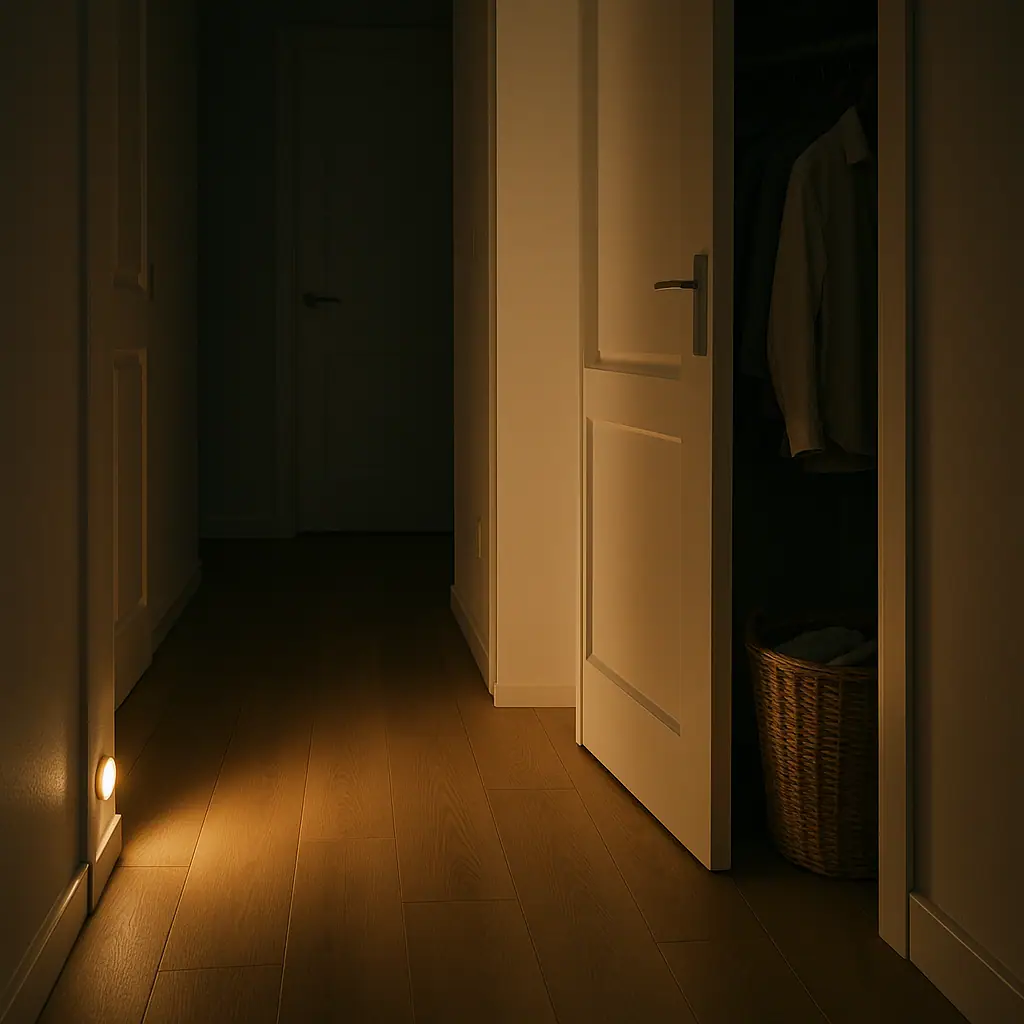
Think about the room in three parts: when people enter it, what they do there, and when the light should get softer. Motion sensors can be useful in hallways or bathrooms, but they can also become annoying in bedrooms or living rooms if they turn lights on too often. For a first evening routine, a scheduled scene is usually simpler than motion.
What to Check First for an Easy Evening Lighting Routine With Smart Bulbs
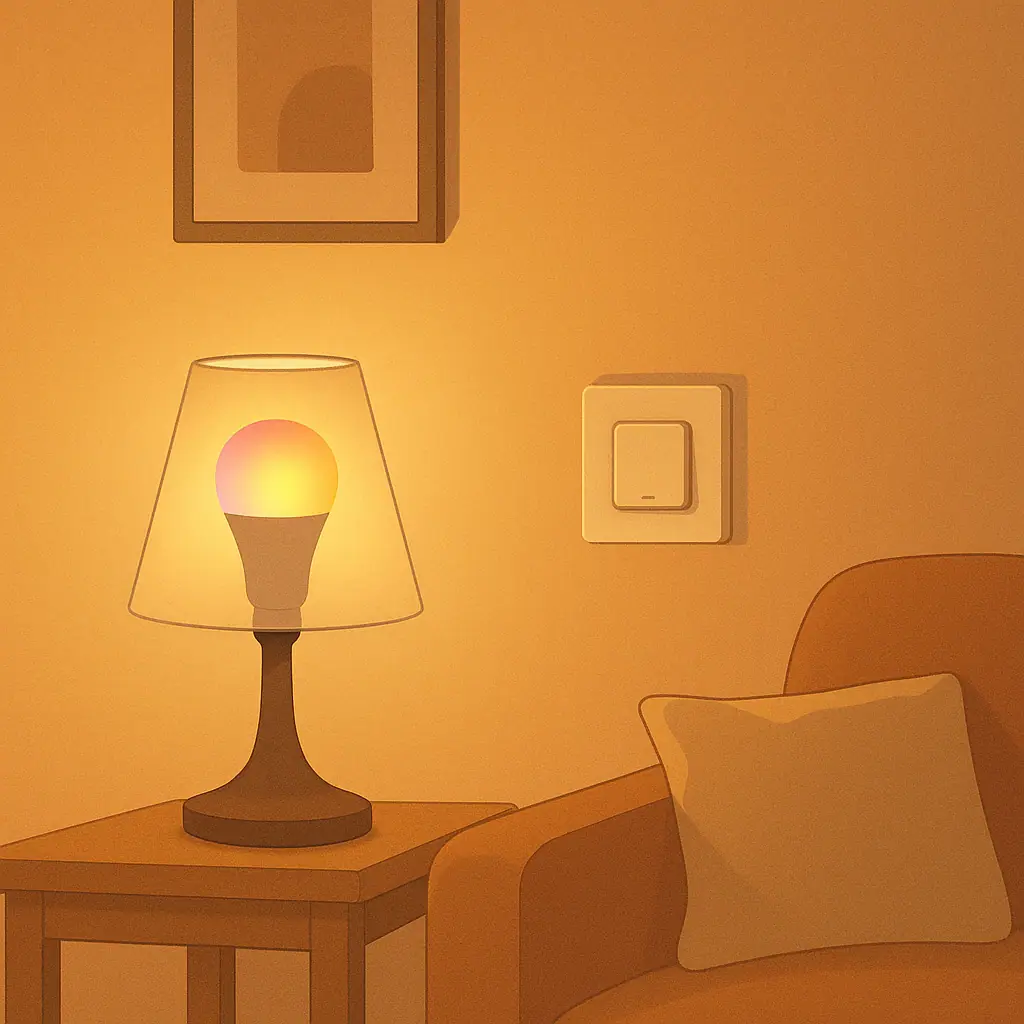
Before creating the routine, check the bulb type, the fixture, and the wall switch habit. Smart bulbs need power to stay connected. If someone turns the wall switch off, the bulb may not follow schedules until power comes back.
Bulb and fixture fit
Confirm the bulb base, shape, wattage equivalent, and fixture guidance. Do not use a smart bulb in an enclosed fixture unless the bulb packaging or manual clearly says that use is allowed. Heat limits still matter even when the bulb is smart.
Color temperature
For evening comfort, warmer white is usually the easiest default. ENERGY STAR explains that light appearance is tied to the Kelvin scale, with lower Kelvin numbers looking warmer and higher numbers looking cooler or bluer in its light bulb factsheet. You do not need to memorize the scale; just use it to compare labels when a bulb offers multiple white settings.
App simplicity
Check whether the app lets you save a scene, choose a start time, and dim the bulb gradually or instantly. If the routine takes too many taps to edit, keep it simpler.
How to Handle an Evening Lighting Routine Step by Step
- Choose one evening room: Start with the lamp people notice most after dinner, not every bulb in the house.
- Set a warm white color: If the bulb is tunable, choose a warmer white setting for the evening scene. If it is color-only, pick a soft white rather than a saturated color.
- Lower the brightness: Try 30 to 50 percent brightness first. A routine that is too dim may be ignored, and one that is too bright may not feel relaxing.
- Pick a realistic start time: Use a time when the household usually slows down, such as after dinner or shortly before bedtime routines begin.
- Keep one manual override: Make sure people can still brighten the room when reading, cleaning, or hosting guests.
- Name the scene clearly: Use a plain name like Evening Lamps or Wind Down. Avoid clever names that visitors or family members will not understand.
- Review after one week: If people keep changing the setting, adjust brightness, timing, or which lamp is included.
Common Smart Bulbs, Lighting, and Motion Mistakes to Avoid
The biggest mistake is trying to make the first routine too complete. A perfect evening setup sounds nice, but too many scenes can make normal lighting feel fragile. Start with the one light that changes the mood of the room most.
Another common mistake is using colorful light as the default. Colored bulbs are fun for occasional scenes, but a gentle warm white usually feels more comfortable for ordinary evenings. Save stronger colors for specific moments, not the daily routine.
Also avoid scheduling lights too early. If the room becomes dim while people are still cooking, cleaning, or doing homework, the routine will feel like it is fighting the household instead of helping it.
A Simple Checklist
- One-room start: Choose the room where evening light most affects comfort.
- Warm setting: Use warm white or a soft white scene for the daily evening default.
- Lower brightness: Start around the middle range, then adjust based on real use.
- Clear name: Give the scene a name people can recognize quickly.
- Switch habit: Keep the wall switch on if the bulb needs constant power for schedules.
- Weekly review: Change only one thing at a time: timing, brightness, color, or lamp choice.
Pros and Cons of Evening Smart Bulb Routines
Creates a calmer visual cue
A warmer, dimmer lamp can signal that the day is winding down without needing a complicated automation setup.
Easy to test in one room
You can try the routine with a single bulb before buying more devices or changing every light.
Adjustable over time
Most brightness, timing, and white-temperature settings can be changed as household habits shift.
Wall switches can interrupt schedules
If someone cuts power at the switch, the bulb may miss its routine until the switch is turned back on.
Too many scenes become annoying
A routine with several colors, rooms, and triggers can make simple lighting feel harder than before.
Dim light may not fit every task
People still need brighter light for reading, cleaning, cooking, or anything that requires detail.
When to Get Extra Help
Get extra help if the bulb does not match the fixture, the lamp uses an unusual dimmer, or the instructions mention limits you do not understand. Do not guess with fixture ratings, heat warnings, or wiring questions.
If the goal involves replacing switches, changing fixtures, or adding hardwired controls, treat that as a separate project. A beginner evening routine should be reversible and low-risk: smart bulb, existing lamp, simple schedule, and no wiring changes.
Frequently Asked Questions
What should I check first before setting an evening routine?
Check the bulb, fixture, and wall switch habit. Make sure the bulb is suitable for the lamp and that it can stay powered for schedules.
How often should I review the routine?
Review it after one week, then only when the household schedule changes. A useful routine should not need daily adjustment.
What should I do if I am not sure which color to use?
Start with warm white and moderate brightness. If the room feels too dim for real tasks, raise the brightness before changing everything else.
Can I undo these changes later?
Yes. Most smart-bulb scenes and schedules can be edited or removed in the app. Keep the first routine simple so it is easy to change.
Final Thoughts
An easy evening lighting routine with smart bulbs works best when it feels almost invisible. The light gets warmer, the brightness drops, and the room supports the habit that was already there.
Start with one lamp tonight. Choose a warm setting, lower the brightness, and schedule it for the time your home naturally slows down. If the room feels calmer and no one has to think about it, the routine is doing its job.