The best rooms to start with smart plugs are the rooms where one small routine removes a real daily annoyance. For most beginners, that usually means a living room lamp, an entryway light, a home office accessory, or a bedroom device that is safe to control and easy to undo.
A smart plug should not make the home feel more complicated. The calm approach is to choose one room, one device, and one simple routine before buying a handful of plugs or building automations for every outlet.
Why This Matters
Smart plugs are easy to buy, but they are not equally useful in every room. A good first room has a predictable habit attached to it: a lamp that gets turned on every evening, a small fan that is often forgotten, or a coffee corner accessory that only needs power during a narrow window.
A poor first room usually involves critical equipment, unclear power needs, high heat, or a device that should not be switched off unexpectedly. Starting in the right room helps you learn the app, test schedules, and build confidence without creating surprises for the household.
Start With Smart Plugs and Outlet Routines
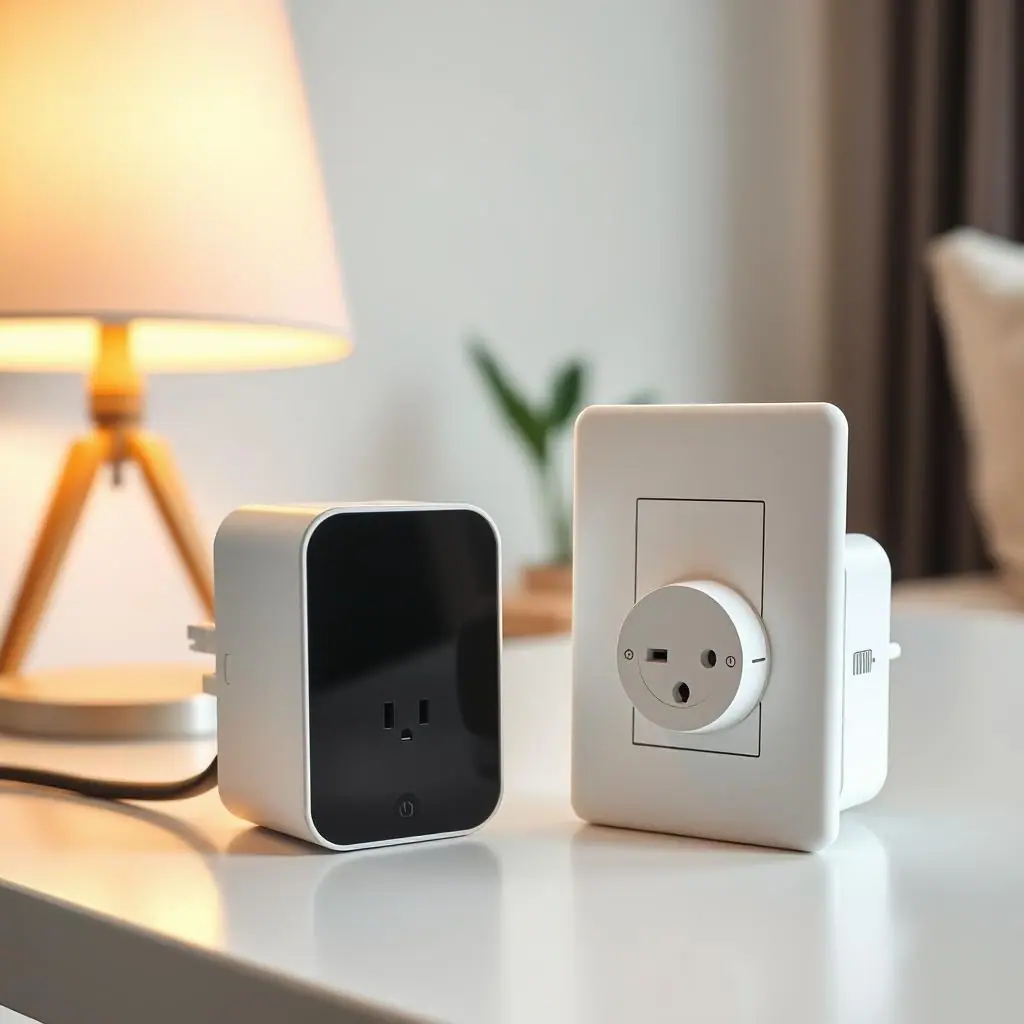
Think of a smart plug as a routine tool, not a general-purpose electrical solution. It can turn a plug-in device on or off, and some models can track energy use, but it does not change the device's safety limits or the outlet's capacity.
If you are still collecting ideas, WattCalm's guide to smart plug uses for beginners gives a broader list of simple routines. For this room-by-room decision, keep the first choice narrower: one plug, one room, one predictable need.
What makes a room beginner-friendly?
A beginner-friendly room has devices that are visible, low-risk, and easy to test. You should be able to turn the device off manually, restore it quickly, and notice within a few days whether the routine helps.
What makes a room a bad first choice?
A bad first choice involves devices that people depend on without warning, devices that produce heat, devices with unclear ratings, or setups where cords are already stretched, damaged, or hidden under furniture.
What to Check First for Best Rooms to Start With Smart Plugs
Before choosing a room, check the device label, the smart plug manual, and the way people already use that device. A smart plug is only a good fit when the device can safely lose power and return to its normal state when power comes back.
Electrical safety guidance matters here. The Electrical Safety Foundation International advises using cords and temporary power products within their ratings and avoiding overloaded or damaged setups. Their extension cord safety tips are a useful reminder that convenience should never replace basic outlet safety.
- Device behavior: after power is cut and restored, the device should return to the state you expect.
- Load rating: the smart plug must be rated for the connected device and intended indoor or outdoor location.
- Household impact: the routine should not surprise someone who depends on that device.
- Cord condition: do not use a smart plug to work around damaged cords, loose outlets, or awkward extension setups.
Best Rooms to Start With Smart Plugs Step by Step
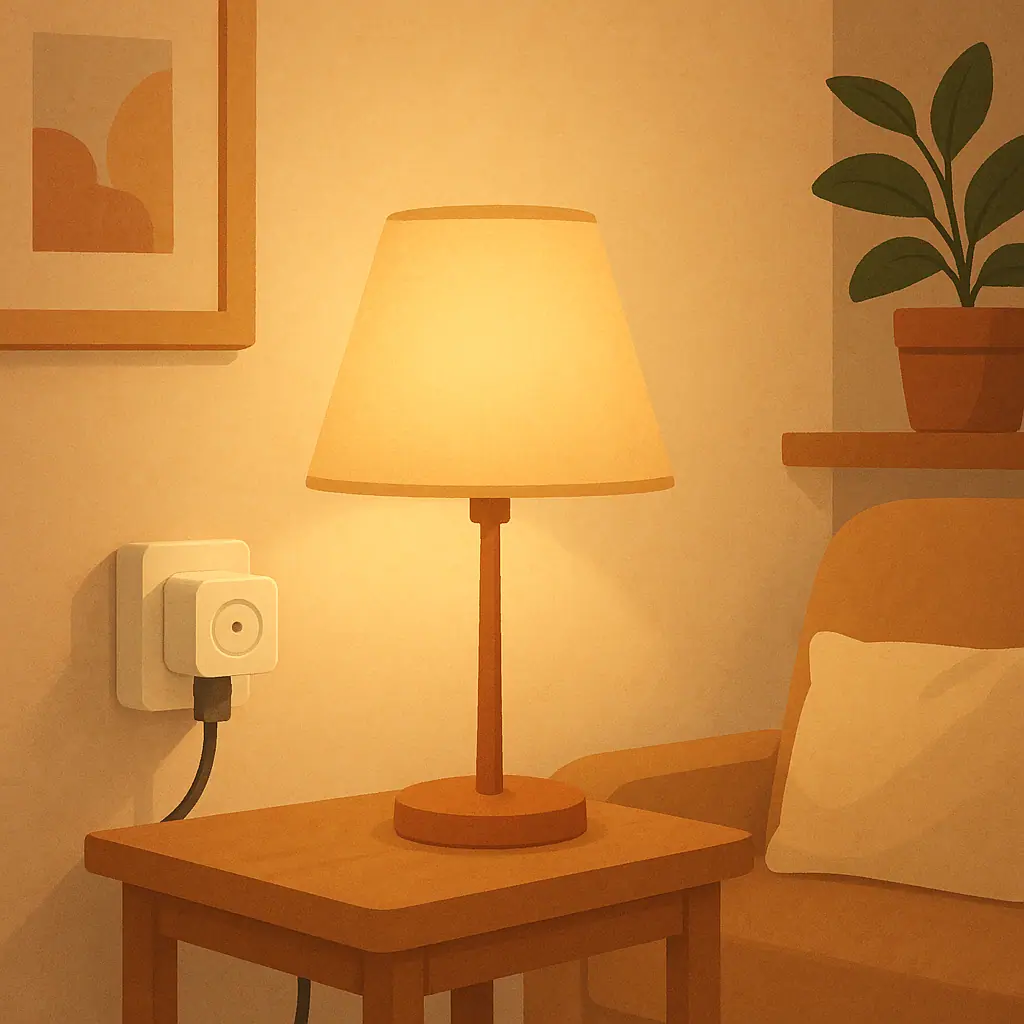
- Living room: start with a table lamp, accent lamp, or small media accessory that follows a predictable evening pattern.
- Entryway: use a smart plug for a plug-in lamp that turns on before the household usually arrives home after dark.
- Home office: try a desk lamp or non-critical accessory that you often forget after work, but avoid routers or equipment needed for remote access.
- Bedroom: choose carefully. A bedside lamp can work if the schedule does not interrupt reading, sleeping, or another person's routine.
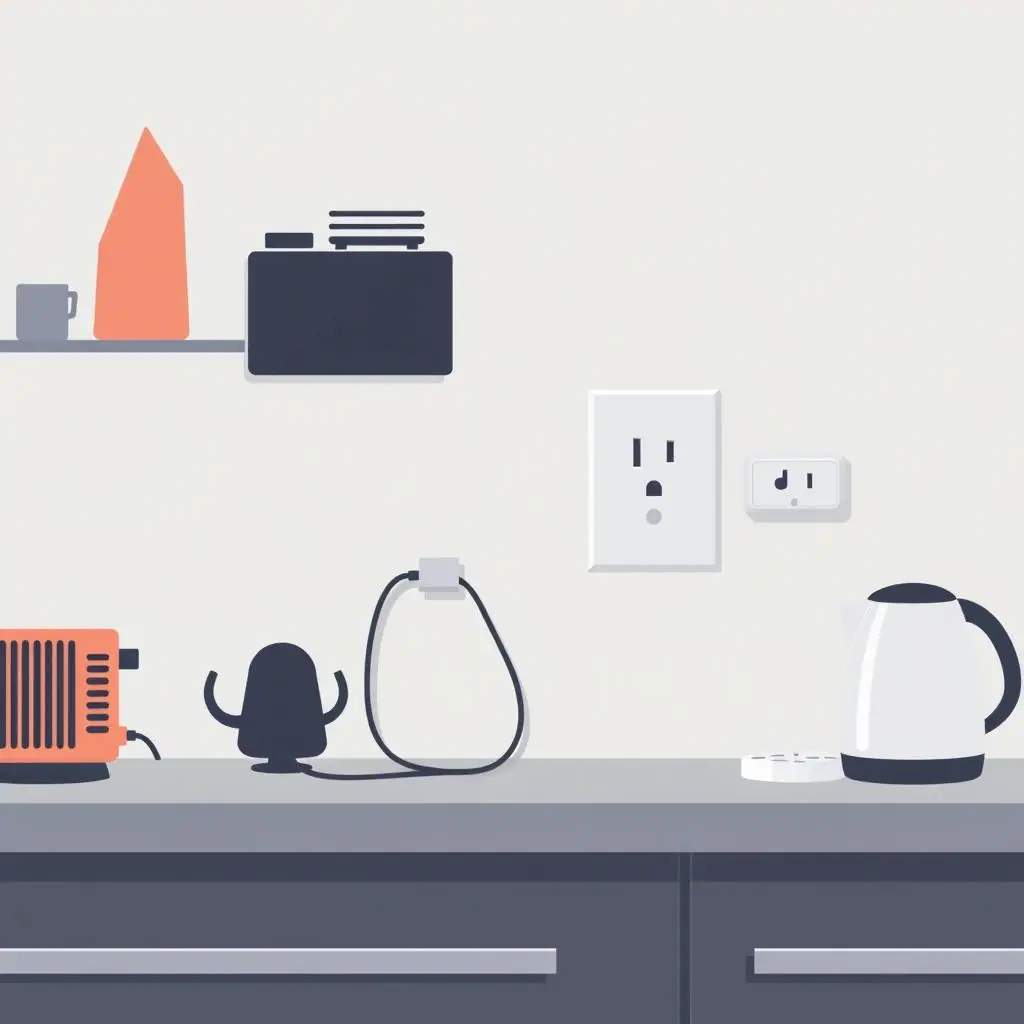
- Kitchen corner: consider only small, clearly rated devices that are safe to switch and never use a smart plug for major appliances or anything the manual warns against controlling this way.
- Seasonal area: holiday lights or decorative plug-in lights can be good tests because the routine is temporary and easy to remove.
The living room is often the safest first win because the routine is visible and easy to judge. If an evening lamp schedule feels useful after a few days, you can repeat the same thinking in another room.
Rooms to Approach Slowly
Some rooms are not off-limits, but they deserve more caution. Bathrooms, garages, laundry rooms, basements, outdoor areas, and kitchens can involve moisture, high loads, appliances, or less predictable use. A smart plug in these areas should follow both the smart plug manual and the device manual.
Be especially conservative with heaters, fans, refrigerators, freezers, medical equipment, aquariums, sump pumps, and any device that could create risk if it turns off or on at the wrong time. A smart plug routine should be reversible and low-drama; it should not control essential or high-risk equipment.
Common Smart Plugs and Outlet Routines Mistakes to Avoid
The first mistake is buying smart plugs before choosing rooms. That often leads to forcing a plug into a routine that does not actually need automation. Choose the routine first, then choose the plug.
The second mistake is setting the same schedule for every room. An entry lamp, bedroom lamp, and office lamp all serve different habits. Copying one schedule everywhere creates annoyance quickly.
The third mistake is ignoring manual controls. A smart plug with a physical button is easier for guests, family members, and anyone who does not want to open an app just to turn on a lamp.
Easy first wins
Lamps and simple accessories can show the value of a routine within a few days.
Low commitment
You can move the plug to another room if the first routine is not useful.
Better household fit
Choosing by room helps you match the routine to how people already live.
Not every room is simple
Kitchens, garages, bathrooms, and outdoor spaces often need extra rating and safety checks.
Too many plugs can add clutter
Automating every room at once makes schedules harder to understand and maintain.
A Simple Checklist
- Yes or no: is this room connected to a routine you already repeat?
- Yes or no: can the device safely turn off without harming people, pets, food, work, or equipment?
- Yes or no: does the device turn back on correctly after power is restored?
- Yes or no: is the smart plug rated for the device and location?
- Yes or no: can someone still control the device if the app is unavailable?
When to Get Extra Help
Get qualified help if an outlet is loose, discolored, buzzing, warm, or unreliable. Also pause if a cord is frayed, pinched, hidden under a rug, or stretched across a walkway. Those are safety issues, not smart-home setup questions.
You should also check official manuals before using a smart plug with anything beyond a simple lamp or small accessory. If the product manual says not to use timers, extension cords, power strips, or remote switching, follow that guidance.
Frequently Asked Questions
What should I check first when choosing a room for smart plugs?
Start by checking whether the device can safely lose power and whether the smart plug is rated for that device and location.
How often should I review a smart plug routine?
Review it after the first few days, then again when seasons, work schedules, or household habits change.
What should I do if I am not sure a device is safe to control?
Do not guess. Check the device manual, the smart plug manual, or ask a qualified professional before using the smart plug.
Can I undo a room choice later?
Yes. Most smart plug routines can be deleted, paused, renamed, or moved to another safer device without changing wiring.
Final Thoughts
The best rooms to start with smart plugs are the rooms where the routine is obvious, the device is simple, and the safety checks are clear. A living room lamp, entryway lamp, or home office light is often a better first choice than a complicated appliance or hidden outlet.
Start small, test for a few normal days, and keep only the routines that make the home feel calmer. One useful smart plug in the right room is better than several confusing automations nobody trusts.