Appliance energy myths are easy to believe because they usually started as a helpful shortcut. Someone hears that a certain device is expensive to run, that standby power does not matter, or that a new appliance automatically saves money. Then the shortcut becomes a rule, even when the home, appliance, rate, and daily habit are different.
The calmer approach is to stop treating every appliance as a guess. You do not need a complicated whole-home system to make better decisions. You need a few grounded checks: what the label says, how often the appliance runs, whether it has standby power, and whether changing a habit is safer than adding another smart device.
Why Appliance Energy Myths Matter
Bad energy advice can send beginners in two unhelpful directions. One person ignores a real energy drain because it looks too small to matter. Another person spends money replacing appliances before checking whether the old routine is the actual problem. Both can happen in the same home.
The U.S. Department of Energy explains that devices can still use electricity while switched off or in standby mode. In its standby power guidance, Energy Saver notes that standby power can account for about 5 percent to 10 percent of residential energy use. That does not mean every charger is the villain. It means invisible use is worth checking instead of dismissing.
After you understand that point, the next step is not panic-unplugging everything. A calm routine separates small always-on convenience from waste you can remove without making daily life annoying.
Myth 1: If an Appliance Is Off, It Uses No Energy
Some appliances and electronics truly use little or no power when switched off. Others keep a clock, sensor, display, network connection, memory, remote receiver, or quick-start feature running. That quiet use is often called standby power or phantom load.
How to check it without guessing
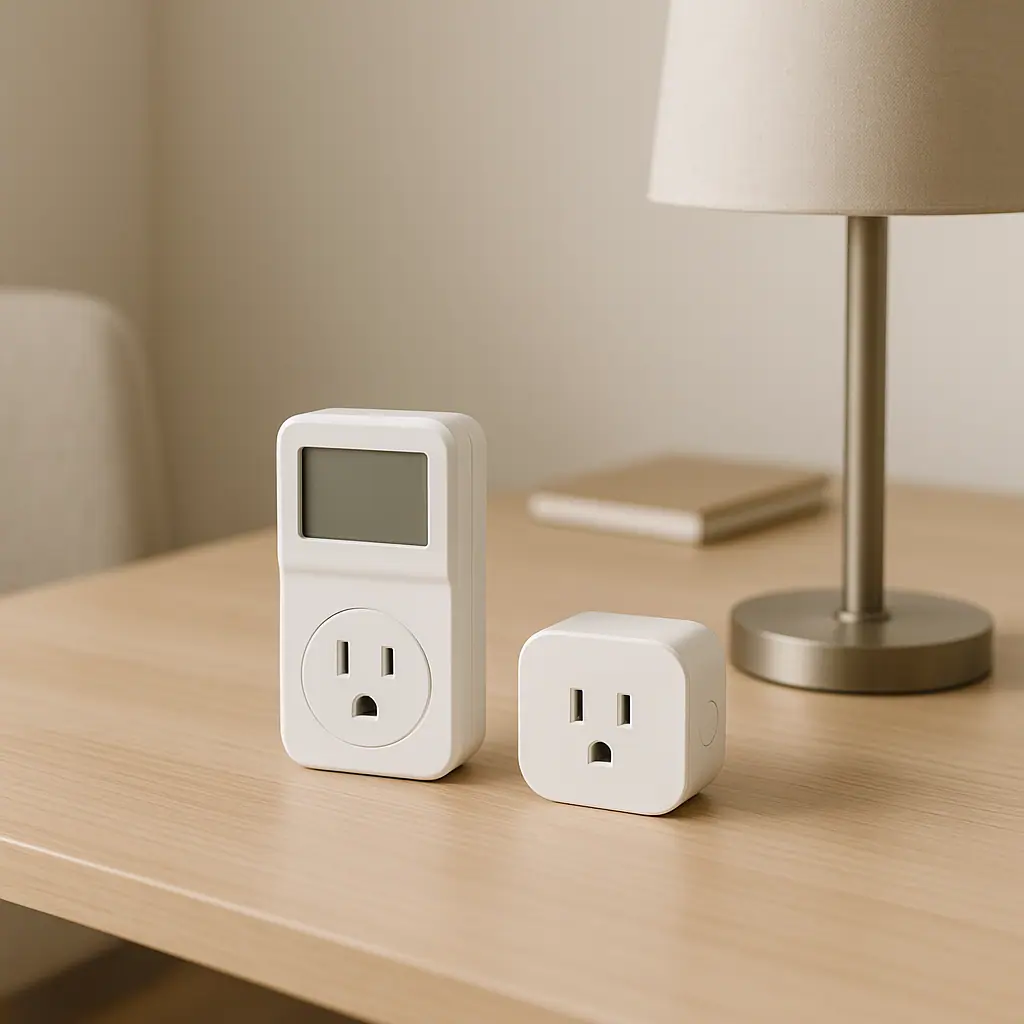
Use a plug-in energy monitor or a smart plug with energy tracking for small plug-in devices that are safe for that type of plug. Watch the device when it is actively running, when it is idle, and when it appears off. The difference matters more than the label on the front of the device.
- Good candidates to measure: TVs, computer monitors, printers, speakers, chargers, desk lamps, and small entertainment devices.
- Devices to avoid controlling casually: refrigerators, freezers, space heaters, air conditioners, pumps, and anything with high start-up load or safety consequences.
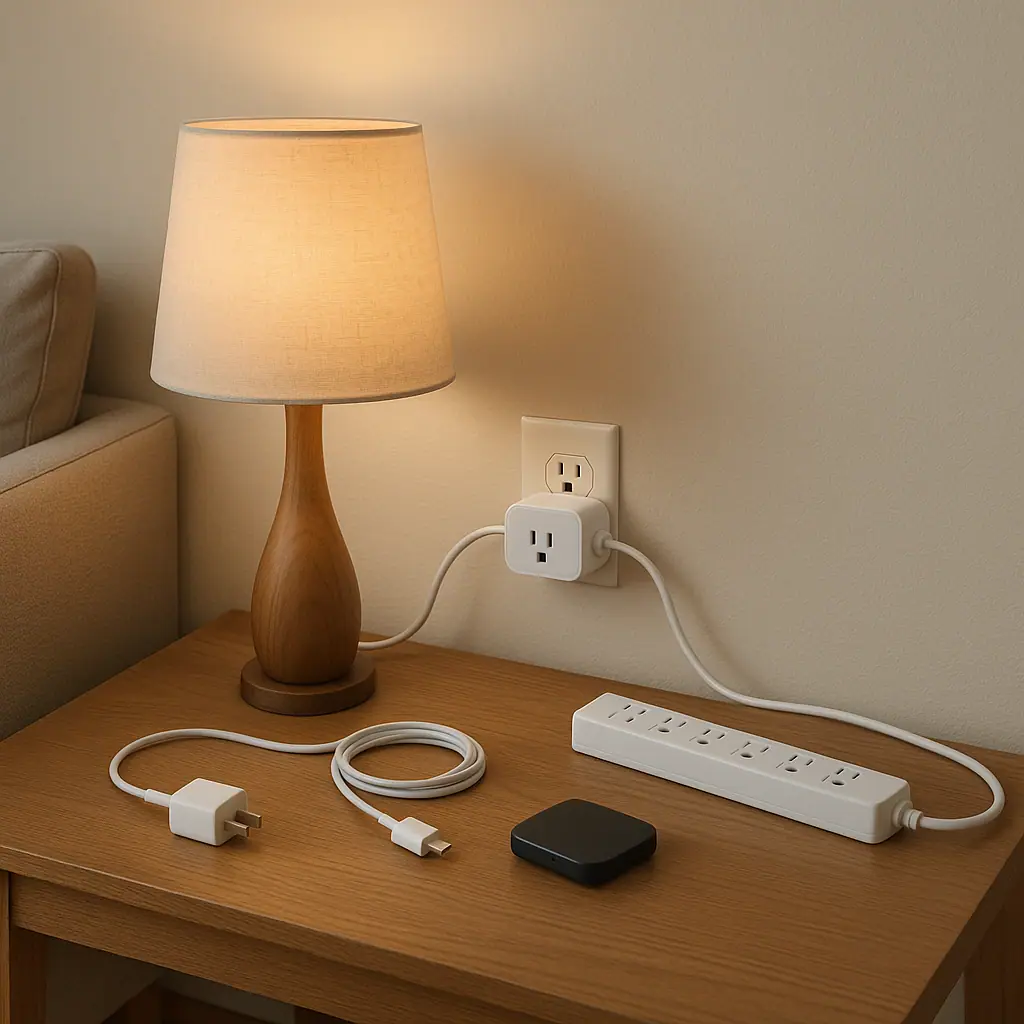
- Better habit: group low-risk electronics on a switched power strip if you often leave several idle devices waiting at once.
Myth 2: The Biggest Appliance Is Always the Biggest Problem
A large appliance can use a lot of energy, but size alone is not the full story. Run time matters. A device that uses modest power for many hours may deserve more attention than a powerful appliance used briefly. A small always-on device can also add up when it never gets a break.
This is where appliance energy myths become frustrating. The answer is rarely just big or small. It is watts multiplied by time, plus how the appliance behaves when you are not actively using it.
A simple way to compare devices
Think in three questions. How much power does it use while running? How long does it run in a normal week? Does it use standby power when you think it is off? Those three checks usually beat a guess based on appliance size.
Better decisions from real behavior
Measuring or reading labels keeps you from blaming the wrong appliance just because it looks large or sounds powerful.
Less pressure to buy immediately
You may discover that a schedule, power strip, or maintenance habit helps before a replacement is worth considering.
Safer smart-home choices
You can reserve smart plugs for low-risk devices instead of treating every appliance as a routine candidate.
Takes a few days of observation
One quick reading may miss normal cycles, standby behavior, or weekend use patterns.
Not every appliance is safe to control
Some devices should be monitored only through labels, bills, or professional guidance rather than a plug-in controller.
Myth 3: ENERGY STAR Means Every Upgrade Pays Back Fast
ENERGY STAR is useful, but it is not a magic payback promise for every household. The label tells you that a product meets efficiency criteria for its category. It does not know your local electricity rate, how often you use the appliance, whether your old unit still works well, or whether replacement cost fits your budget.
The ENERGY STAR product overview explains that certified products meet energy-efficiency specifications set by the U.S. Environmental Protection Agency. That makes the label a strong shopping filter when you already need an appliance. It should not become a reason to replace something blindly.
If an appliance is failing, unsafe, or unusually inefficient, replacement may make sense. If it is working well and used lightly, a better routine may come first.
Myth 4: The EnergyGuide Label Is Just a Store Sticker
The yellow EnergyGuide label is one of the simplest tools a beginner can use. It gives an estimated annual energy use and operating cost, and it lets you compare similar models. The key word is estimated. Your actual cost can change with local rates, household habits, settings, maintenance, and climate.
The Department of Energy's appliance shopping guidance describes how EnergyGuide labels show energy consumption and compare an appliance with similar models. Use that comparison as a starting point, then ask whether your real use is light, average, or heavy.
- Use the label for comparison: compare similar sizes and features, not a tiny model against a much larger one.
- Check the assumptions: annual cost estimates are based on average conditions, not your exact household.
- Keep the manual: settings such as eco mode, temperature, sleep mode, and filter cleaning can change real-world use.
Myth 5: Smart Plugs Automatically Save Energy
A smart plug is a tool, not a guarantee. It can help when it turns off a low-risk device that would otherwise sit idle for hours. It can also add one more app, schedule, and standby load if you use it without a clear job.
For energy routines, the best smart plug jobs are simple and reversible. A lamp that shuts off after bedtime, a desk setup that powers down after work, or a hobby station that turns off overnight can make sense. A refrigerator, heater, sump pump, or medical device is the wrong kind of experiment.
Use a calm test before automating
- Name the problem: what stays on too long, and why?
- Confirm the device is appropriate: check wattage, amperage, motor load, manual warnings, and plug rating.
- Measure before changing: watch normal use for a few days so you have a baseline.
- Start with one schedule: avoid stacking many automations before you know whether the first one helps.
- Review after a week: keep it only if it saves energy without creating inconvenience or safety risk.
A Simple Checklist for Replacing Myths With Checks
You can use this checklist whenever you hear a confident energy rule that sounds too broad. It keeps the decision practical instead of turning your home into a guessing game.
- Read the label: look for EnergyGuide estimates or manufacturer energy information before assuming.
- Measure safely: use an energy monitor only with devices that are suitable for plug-in monitoring.
- Watch run time: a short high-power use and a long low-power use can tell very different stories.
- Separate comfort from waste: do not remove a standby feature you rely on every day unless the tradeoff is worth it.
- Replace for the right reason: safety, failure, capacity, and actual energy use matter more than a myth.
When to Get Extra Help
Ask for professional help when a decision involves wiring, breaker panels, hardwired appliances, HVAC equipment, damaged cords, heat, moisture, or anything you are not sure is safe. WattCalm is about simple habits, not electrical work.
It is also worth checking official product manuals for appliances with compressors, pumps, heating elements, batteries, or safety cycles. Some devices are designed to stay powered, complete cool-down cycles, or restart in a specific way after an outage.
Frequently Asked Questions
What appliance energy myth should beginners stop believing first?
Start with the idea that off always means zero energy use. Some devices use standby power, so a safe plug-in energy monitor can be useful for low-risk electronics.
Should I replace an old appliance just because a new one is efficient?
Not automatically. If the old appliance is unsafe, failing, or unusually inefficient, replacement may be sensible. If it works well and is used lightly, compare EnergyGuide information and real use first.
Can I use a smart plug to measure every appliance?
No. Smart plugs are best for appropriate low-risk plug-in devices. Avoid using them with high-load, heat-producing, motor-driven, medical, refrigeration, or safety-critical equipment unless the manufacturer clearly allows it.
How often should I review appliance energy habits?
A quick seasonal review is enough for most homes. Recheck when you buy a new appliance, change a schedule, notice a higher bill, or add a new always-on device.
Final Thoughts
The best way to handle appliance energy myths is to slow down and check what is true in your home. Read the label, measure only where it is safe, notice run time, and keep smart plugs for devices that are appropriate for simple control.
One careful habit is usually better than ten anxious rules. Pick one appliance or electronics group this week, observe it honestly, and make the smallest change that improves the routine without making your home harder to live in.