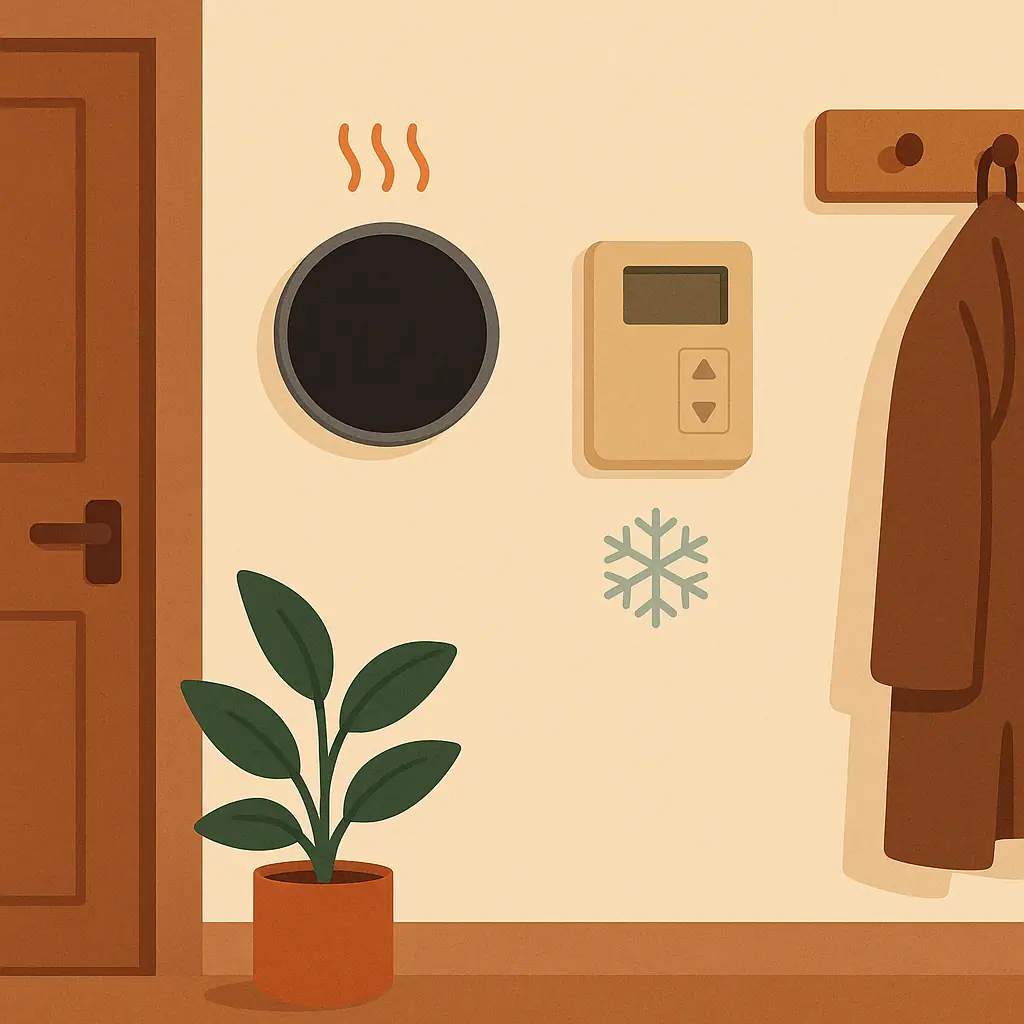
Smart thermostat vs programmable thermostat decisions are really about how much help you want from the thermostat after the schedule is set. A programmable thermostat follows the times and temperatures you enter. A smart thermostat can add app control, learning features, reminders, reports, and sometimes occupancy or location-based changes.
Neither choice is automatically better for every home. A programmable thermostat can be calm and reliable when your routine is steady. A smart thermostat can be useful when schedules change, when remote control matters, or when you want clearer feedback about heating and cooling habits.
This guide compares smart thermostat vs programmable thermostat choices in plain language, with a safety-first bias. Thermostats connect to HVAC equipment, so compatibility, wiring, manuals, and professional help matter more than a sleek app or a low sale price.
Why Smart Thermostat vs Programmable Thermostat Choices Matter
Heating and cooling are often one of the largest home energy categories, so thermostat habits can affect both comfort and bills. The U.S. Department of Energy explains that resetting a thermostat for regular sleep or away periods can reduce heating and cooling costs when the schedule fits the home. You can review the DOE overview here: programmable thermostat guidance from Energy Saver.
The practical question is not which thermostat sounds more advanced. It is which one your household will actually use correctly. A device with ten features can still waste energy if everyone overrides it every evening. A simple model can work well if the routine is predictable and easy to maintain.
Start With Thermostats and Temperature Habits
Before comparing features, write down the normal temperature rhythm in your home. When does comfort matter most? When is the home usually empty? When is everyone asleep? A thermostat should support those moments without making the house feel like a project.
When a programmable thermostat fits
A programmable thermostat fits best when the schedule is steady. If weekday mornings, work hours, evenings, and sleep times are predictable, a basic programmed schedule may handle most of the routine. It is also a good fit for people who do not want another app, account, Wi-Fi connection, or software setting to manage.
When a smart thermostat fits
A smart thermostat fits best when convenience and feedback matter. ENERGY STAR describes smart thermostats as Wi-Fi enabled devices that can adjust heating and cooling settings, and certified models are evaluated using real-world performance data. That does not guarantee identical results in every home, but it does explain why smart models can help households that will use app control, learning schedules, geofencing, reminders, or reports thoughtfully.
For broader buying guidance, ENERGY STAR also notes that smart thermostat compatibility depends on HVAC system type, wiring, voltage, and power needs. That official guidance is available here: ENERGY STAR smart thermostat buying guidance.
What to Check First for Smart Thermostat vs Programmable Thermostat
The first check is compatibility. A thermostat that does not match your system is not a bargain, even if the features look perfect. Some systems use low-voltage control wires. Some homes have line-voltage heating. Some heat pumps, multi-stage systems, zoned systems, or manufacturer-specific setups need more careful matching.
If you remove the old thermostat cover, take a clear photo before touching wires. Look for terminal labels, not just wire colors. Wire colors can be misleading. If the labels, voltage, or system type are unclear, pause and use the manufacturer compatibility checker or ask a qualified HVAC professional.
- HVAC type: confirm whether you have forced air, heat pump, boiler, baseboard, multi-stage, or zoned equipment.
- Power requirement: many smart thermostats need steady power, often through a C-wire or adapter, while many programmable models can run on batteries.
- Household routine: choose smart features only if they solve a real schedule problem.
- Manual control: make sure anyone at home can adjust the temperature without hunting through an app.
- Undo path: know how to pause a schedule, hold a temperature, or return to a previous setup.
How to Choose Between the Two Step by Step
Use a simple decision path instead of comparing every feature side by side. The right thermostat is the one that fits your equipment, your schedule, and your willingness to review settings.
- Check the existing system first. Identify the HVAC type, voltage, terminal labels, and whether the current thermostat has a common wire.
- Map the weekly pattern. If the home has regular away and sleep periods, both thermostat types may work. If the pattern changes often, smart features may be more useful.
- Decide how much app control you really want. Remote access is helpful for travel, forgotten settings, or checking the home before arrival. It is unnecessary if you prefer wall control only.
- Choose the simplest useful feature set. Do not pay for room sensors, learning modes, geofencing, or reports unless you understand how you will use them.
- Plan a one-week review. After installation or schedule changes, review comfort, overrides, and any confusing moments before adding more automation.
Choose programmable if you want fewer moving parts
A programmable thermostat is often enough for a stable home routine. It lets you set repeated temperature changes and override them when needed. The tradeoff is that it depends on you to create and update the schedule. If no one programs it, the benefit can disappear.
Choose smart if you will use the extra help
A smart thermostat can be worth it when you will use its extra help: remote control, learning, occupancy awareness, maintenance reminders, or energy reports. The tradeoff is added setup, account management, Wi-Fi dependence, and compatibility checks. Treat those as real responsibilities, not small details.
Smart Thermostat vs Programmable Thermostat Pros and Cons
Remote access
You can check or adjust the temperature from a phone when travel, errands, or schedule changes interrupt the normal routine.
Adaptive features
Learning schedules, geofencing, and occupancy features can reduce manual changes when they fit the household pattern.
More feedback
Reports, reminders, and alerts can make thermostat habits easier to review instead of relying on memory.
Compatibility can be stricter
Some smart thermostats need steady power, a compatible HVAC system, or an adapter before they work correctly.
More settings to manage
Apps, accounts, location features, software updates, and alerts can become annoying if the household wants a simpler setup.
A Simple Checklist
Use this checklist before choosing a thermostat. It keeps the decision grounded in the home instead of the packaging.
- System identified: I know my HVAC type and whether it has special thermostat requirements.
- Wiring checked: I photographed wire labels and confirmed whether a C-wire or adapter may be needed.
- Routine mapped: I know the weekday, weekend, sleep, and away periods I actually want the thermostat to support.
- App preference clear: I know whether remote control, reports, and location features are useful or just extra noise.
- Help threshold set: I will ask the manufacturer or an HVAC professional before guessing about wiring or system settings.
When to Get Extra Help
Get extra help if the thermostat controls more than a basic system, if wire labels are missing, if you see thick line-voltage wires, or if the manual mentions heat pump, auxiliary heat, multi-stage, zoned, boiler, or manufacturer-specific settings you do not understand.
You should also get help if the new thermostat causes short cycling, poor comfort, unexpected equipment behavior, or confusing error messages. A thermostat is a small wall device, but it controls expensive equipment. A cautious setup is better than a rushed one.
Frequently Asked Questions
What should I check first when comparing smart thermostat vs programmable thermostat options?
Check compatibility first: HVAC type, voltage, wire labels, and power requirements. After that, compare whether your routine needs a basic schedule or smart features.
How often should I review thermostat settings?
Review settings after the first normal week, then again when seasons or household schedules change. A quick seasonal review is usually better than constant daily tweaking.
What should I do if I am not sure about a wire or compatibility note?
Stop before changing anything. Check the product manual, use the manufacturer compatibility tool, or ask a qualified HVAC professional. Do not rely on wire color alone.
Can I undo thermostat changes later?
Most schedules, holds, app settings, and alerts can be adjusted later. Wiring and system configuration deserve more care, so document the original setup before changing hardware.
Final Thoughts
The calm answer to smart thermostat vs programmable thermostat is simple: choose the least complicated thermostat that solves your real routine. If your schedule is steady and you want fewer moving parts, a programmable model may be enough. If remote control, adaptive schedules, and reports will genuinely help, a smart thermostat can be a useful upgrade.
Either way, start with compatibility, make one clear schedule decision, and review the result after real use. Comfort matters, safety matters, and a thermostat should make the home easier to live in, not harder to manage.